
It may be the biggest World Cup ever in terms of participating nations, with 48 involved in the 104-match extravanga across three of the largest countries on Earth, but in a way it feels as though the tournament had snuck up on us until we were only a week out from kick-off.
When Mexico and South Africa take to the pitch for the opening game on Thursday, it’ll have been just 12 days since Paris Saint-Germain won a second successive Champions League final. The ever-congested football calendar is barely giving us time to breathe, and that’s how this monstrosity of a tournament might feel, especially with 72 group games taking place in just 17 days.
Then again, having actual football to talk about may come as a relief after a build-up which has been overshadowed by global politics. Donald Trump, perhaps the least deserving recipient of a ‘Peace Prize’ in history, continues to wage war on one of the competing nations (Iran), while fans from several countries face extremely difficult issues in even going to USA for their team’s fixtures (unless they’re fortunate enough to be based in Mexico or Canada instead). The farcical withdrawal of Somalian referee Omar Abdulkadir Artan for being denied entry to America despite holding a valid visa is a damning indictment of the political situation in the self-proclaimed ‘greatest democracy on Earth’.
Concerns about the overall standard of football at a 48-team tournament are valid, and while we’re all for spreading joy to first-time qualifiers who mightn’t have made it if the 32-team format of 1998-2022 were retained, it’s likely that the quality on show at this summer’s World Cup could be rather diluted (and somehow, Italy still managed to balls it up in the UEFA play-offs to miss out for a third successive tournament).
In terms of potential winners, there may be 48 teams at the finals, but the pool of likely champions is restricted to the usual half-dozen suspects. Holders Argentina should be there or thereabouts once again, while European champions Spain are also among the favourites. France have a squad loaded with obscene talent, while Harry Kane might carry England deep into the knockout rounds. Brazil and Germany, meanwhile, will feel they have international reputations to restore after some humiliations on this stage in modern times.
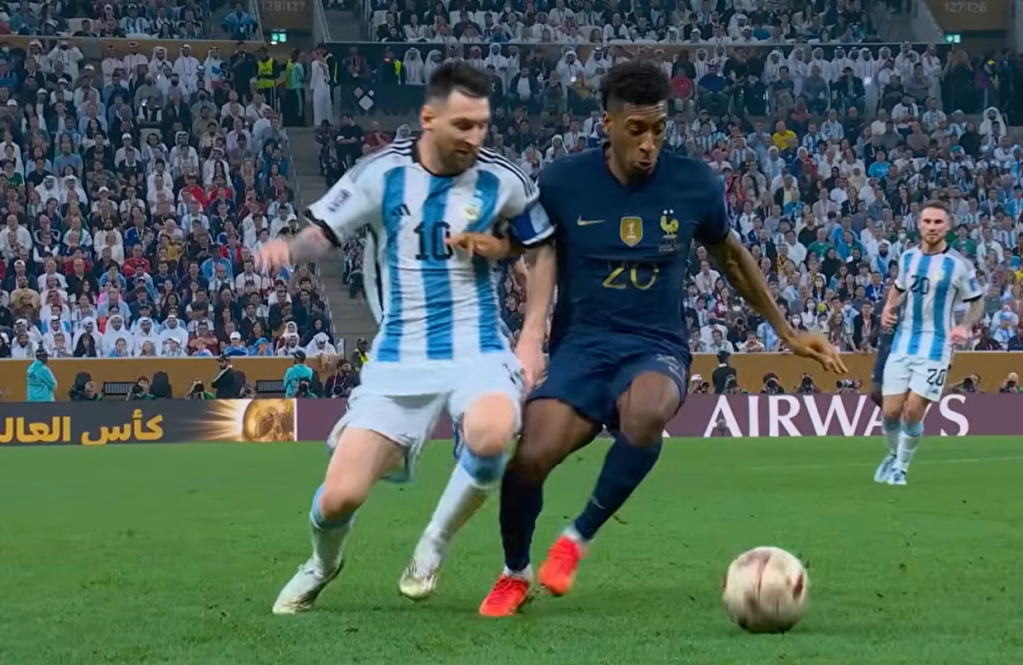
As ever, a few nations will be touted as ‘dark horses’ to feature at the business end of the tournament. Portugal have the players to be in the semi-final mix, and Netherlands haven’t been far off in recent competitions. Switzerland and Japan are solid tournament teams who’ve impressed at the last couple of World Cups, while there’s much hype around Norway because of Erling Haaland.
For neutrals looking to adopt a team to follow at the finals, there are plenty of improbable first-timers and prodigal nations returning after generational absences. Cape Verde, Curacao, Jordan and Uzbekistan are all playing at their first World Cup, while Iraq (40 years), DR Congo (formerly Zaire, 52 years) and Haiti (also 52 years) have qualified for just the second time, bridging lengthy gaps since their previous appearance.
As always with major international tournaments, there’s bound to be a few shocks along the way, with some unfancied nations taking us all by surprise and a couple of big names suffering ignominious exits. The exhausting travel and suffocating heat will also have a bearing on how the results play out, and we just hope that we won’t be caught up in ugly debates about VAR and refereeing controversy. The World Cup is meant to be a festival of football, free of the cynicism which has eroded many people’s enjoyment of the club game in the 2020s. The last World Cups to be hosted by Mexico (1986) and USA (1994) are now fondly recalled for their footballing and cultural impact. Let’s hope the first one to be hosted by three nations leaves just as positive a legacy.
Right then, onto the groups and the 48 participating nations – here’s where I state predictions which could range from being 10/10 to 1/10 shouts!

GROUP A
Mexico are (co-)hosts at a World Cup for the third time but don’t carry a great deal of optimism going into the tournament, with the scars of group-stage elimination in 2022 yet to fully heal despite recent improvement under wily operator Javier Aguirre. Theirs is a team short on star quality and reliant on a 35-year-old Raul Jimenez for goals, although teenage wonderkid Gilberto Mora offers plenty of hope for the future. A kind group draw and fervent home backing should see them finish top, thus potentially opening a route towards the last 16, but going any further than that would be a surprise.
Back at the World Cup for the first time since hosting in 2010, South Africa made life unnecessarily hard for themselves in qualification with an administrative error which incurred a three-point deduction. They made it through, though, and travel with a settled line-up boasting plenty of pace out wide, albeit lacking cutting edge in the final third. Their best player is goalkeeper Ronwen Williams, a formidable penalty saver. They’ve never made it to the knockout stages in three previous attempts, but seem well capable of taking that unprecedented step this time around.
South Korea are in their 11th consecutive World Cup (a longer streak than France, England, Portugal and Netherlands) and have proven capable of pulling off an eye-catching result (they stunned Portugal in 2022). They have a couple of game-changers in Son Heung-min and Lee Kang-in, but are quite reliant on that pair to produce moments of magic. They’ll be game and full of determination and hard running, but quality-wise they could come up short, even in one of the most open groups at this tournament.
The presence of Czechia at this World Cup will bring back sore memories of play-off penalty shootout woe for Ireland fans, especially as Miroslav Koubek’s side repeated the trick against Denmark to qualify for the finals. As we can testify, the Czechs are difficult to beat but not the most adventurous or imaginative, hoping that a strong spine and a set-piece threat can sneak them into the knockout rounds. Patrik Schick up front gives them a chance of doing so, but they might be one of the third-placed teams to narrowly miss out.
Prediction: 1st Mexico, 2nd South Africa, 3rd Czechia, 4th South Korea
GROUP B
Canada gave a decent account of themselves at the 2022 World Cup despite losing all three games, but as co-hosts, expectation is considerably higher this time around. They’re definitely a more mature team for that experience in Qatar and have several players competing at a high level in Europe (Alphonso Davies, Jonathan David, Ismael Kone), while coach Jesse March has instilled a high-pressing intensity in the side. They have a strong midfield and game-changers out wide, but can be vulnerable if their press is broken and aren’t the most secure at the back. They should emerge from this group, but reaching the last 16 would be an achievement.
Bosnia-Herzegovina produced the shock of the European play-offs by defeating Italy on penalties, and the celebratory mood in the country has barely subsided now that the finals are about to begin. Sergej Barbarez’s team will be well-organised, with 40-year-old Edin Dzeko the standout name, while his strike partner Ermedin Demirovic has been continually prolific in the Bundesliga. Keep an eye out for exciting wingers (and commentators’ nightmares) Esmir Bajraktarevic and Kerim Alajbegovic, whose combined age is less than Dzeko’s. The last 16 is well within reach for a Bosnia side riding the crest of a wave.
Ireland fans who watched the recent win over Qatar will have been thoroughly unimpressed by Julen Lopetegui’s side, who may have rested most of their big names but still looked frighteningly mediocre. Winger Akram Afif was decidedly poor in that game, and he (along with striker Almoez Ali) is crucial to their hopes of making a positive impression at this World Cup. Beyond those two, there’s precious little quality in the side, and that Lopetegui is their fourth head coach since hosting the 2022 finals speaks volumes for the instability they’ve experienced since. They lost all three games that year and could be in for a similar fate in North America.
Switzerland are a classic example of a team who very few tout to even be dark horses at a major tournament, but almost always qualify and generally get out of the group – they’ve been quarter-finalists at the last two Euros and lost on penalties in both. Murat Yakin’s side have well and truly recovered from a post-Euro 2024 slump and have players with ample high-level experience, such as midfield general Granit Xhaka, centre-backs Nico Elvedi and Manuel Akanji, and striker Breel Embolo. This World Cup could also see young playmaker Johan Manzambi further embellish his burgeoning reputation. The Swiss could be quarter-finalists in North America and, as they’ve done to France and Italy in the recent past, might stun a ‘glitzier’ opponent along the way (Portugal, maybe?)
Prediction: 1st Switzerland, 2nd Bosnia, 3rd Canada, 4th Qatar
GROUP C
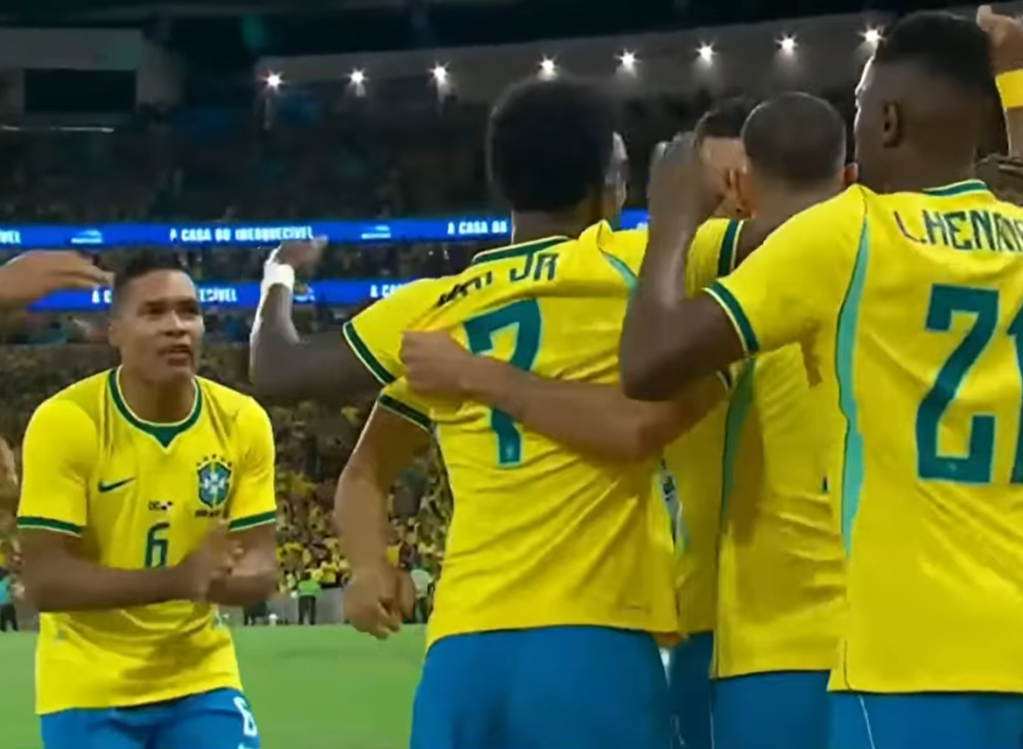
Brazil invariably go into World Cups with enormous expectations, even though they haven’t won it in 24 years and have only been in one semi-final since (and that was the 7-1 humiliation against Germany in 2014). Their pathway to qualifying for this tournament was quite rough as well, finishing fifth out of 10 teams in South America, but they also struggled to qualify for 2002 before going on to win it in style. They do boast one of the best coaches in history in Carlo Ancelotti and forwards who are capable of blowing teams away when they’re on song, but unusually for a Brazil team, the full-back positions are a weakness. Their likely passage through the knockout rounds seems tough, but it wouldn’t surprise me if they rise to the occasion and reach just a second semi-final since their triumph in Japan 24 yaers ago.
Shock semi-finalists in 2022, Morocco are technically the champions of Africa after the result of their tempestuous AFCON final defeat to Senegal was later overturned, but they’ve changed their coach since that tournament, with Mohamed Ouahbi hired just three months ago. The Atlas Lions are set to take a safety-first approach with a view to capitalising on counterattacks and set pieces, although they can be weak against low-block defences when they’re cast in the role of favourites (as they will be against Haiti). The return of PSG right-back Achraf Hakimi to match fitness is crucial, and they’ll expect to reach the last 32 at a minimum, but a repeat of their 2022 exploits seems highly improbable.
Haiti are back on the world stage for the first time since 1974, bringing joy to a nation in great need of it due to the ongoing volatility in the country. They’ll simply enjoy playing at the World Cup, but unlike many teams in that situation, they’re unlikely to just park the bus and hope to frustrate opposition. They’re not afraid to take risks and be enterprising in their play, and they have Premier League experience in Wilson Isidor and Jean-Ricner Bellegarde along with a proven goalscorer in Duckens Nazon. Haiti are unlikely to be disgraced at this World Cup, but their style of play could see them picked off by higher-quality opposition, and a valiant group stage exit is their likeliest fate.
This is Scotland‘s first World Cup since 1998, but their third major tournament in this decade, and no longer are they simply content with being at the big party. Steve Clarke’s side travel to North America aiming to do what none of their predecessors have and advance from the group stage, and the dramatic manner of the win over Denmark which secured qualification suggests that they’ve shed their tag of being gallant nearly men. Scott McTominay will be crucial to their hopes at the finals, as will fellow midfielder John McGinn, although they could ultimately pay the price for lacking pace and a top centre-forward. I can see them struggling to beat Haiti, narrowly losing to Brazil but still doing enough to get to the last 32; anything further would be considered an unqualified success.
Prediction: 1st Brazil, 2nd Morocco, 3rd Scotland, 4th Haiti
GROUP D
Football in the United States has come a long way since they hosted the last 24-team World Cup in 1994 – now staging the bulk of games in the first 48-team tournament, Mauricio Pochettino’s side carry heavier expectations than before going into the finals. It’s a USA team with plenty of starters operating at a high level in Europe (Christian Pulisic, Timothy Weah, Tyler Adams, Folarin Balogun, Chris Richards), and they’re a tactically flexible outfit under the former Spurs boss. The co-hosts would be competitive against most teams in this tournament, but there’ll come a point where they get found out by higher-class opposition. Anything less than the round of 16 would be seen as a disappointment
This is Paraguay‘s first World Cup since reaching the quarter-finals in 2010, and Gustavo Alfaro’s team will be one of the toughest nuts to crack at this summer’s tournament. Backboned by a gritty, no-nonsense defence, they won’t be the most entertaining team to watch, but they’ll make zero apologies for a formula which got them back to the big time after a 16-year absence. The star quality is most likely to come from ex-Brighton playmaker Julio Enciso, the one player in this team who looks capable of producing something spectacular. Their sturdy backline could serve them well in a competition such as this one.
Australia are partaking in their sixth successive World Cup, having qualified just once prior to 2006, and have usually given a good account of themselves on this stage without reaching the business end of the finals. The Socceroos boast plenty of physicality in their line-up, especially in defence and midfield, and have a hugely exciting young winger in Nestory Irankunda, but nobody has nailed down the centre-forward berth. An open group gives them a plausible chance of advancing to the knockout rounds, but an overall lack of attacking quality could come back to haunt them.
Remarkably, this is Turkey‘s first World Cup appearance since finishing third in 2002, having twice been European quarter-finalists in the meantime (2008 and 2024). Vincenzo Montella’s side have a good balance of industry off the ball and flair in possession, with Inter Milan’s Hakan Calhanoglu the on-field conductor. The excitement is provided by young attackers Arda Guler and Kenan Yildiz, although the Crescent Stars can still be prone to shooting themselves in the foot with kamikaze errors, as they did with a farcical own goal against Portugal at Euro 2024. It won’t be dull when Turkey are involved, that’s for sure.
Prediction: 1st USA, 2nd Paraguay, 3rd Turkey, 4th Australia

GROUP E
Germany suffered group-stage exits at the last two World Cups; an extension of that record in 2026 would be the biggest shock of the lot. Julian Nagelsmann’s side can call upon some technically brilliant footballers in Florian Wirtz and Jamal Musiala, while also boasting a threat at set pieces and being relentless in their off-the-ball work rate. There’s a strong balance in the team, and Manuel Neuer’s U-turn on international retirement is a huge boost, but they can be overly reliant on a handful of key players and still look short of being genuine contenders for the trophy. They’re also likely to be on the tougher side of the draw, so reaching the quarter-finals would be respectable for the four-time world champions.
Incredibly, Curacao (population 155,000) have made it to the World Cup finals, an extraordinary feat for a nation which has only existed in its current guise for 15 years. They’re coached by 78-year-old Dick Advocaat, who’s come back to the post having stepped away for family reasons, and the majority of players for this one-time Dutch colony were born in Netherlands. The most recognisable name is ex-Manchester United youngster Tahith Chong, but the team as a whole is a largely unknown quantity who’ll likely defend deep and try to be as compact as possible. It could be a steep learning curve for them at the World Cup, but as trite as it sounds, they’ll mainly enjoy an experience which might never come again.
Ivory Coast served notice of their capabilities by beating France in a pre-tournament friendly in recent days, and a new generation of players is ready to take flight and emulate (or even surpass) the vintage of Didier Drogba, Yaya Toure et al. The Elephants have two flying wingers in Amad Diallo and Yan Diomande, and a strong centre-back partnership of Odilon Kossounou and Evan Ndicka (who didn’t concede once in qualifying), but they’re lacking a top-class centre-forward to truly make a difference. Should be capable of progressing to the last 32; anything further would be a fine return.
One definite conclusion can be derived from Ecuador when looking at their qualifying campaign – they’re bloody hard to score against (just five goals conceded in 18 games), but almost half of their matches ended 0-0. In short, they won’t be particularly appealing to armchair fans, but popularity never won a World Cup. Their back three of Joel Ordonez, Willian Pacho and Piero Hincapie is a powerful unit, but they’re still relying on a 36-year-old Enner Valencia to bang in the goals at the other end. They’ll likely get out of the group and could nick a penalty shootout win in the knockouts, but a lack of cutting edge will ultimately cost them once they come up against a side who can unlock even their miserly defence.
Prediction: 1st Germany, 2nd Ecuador, 3rd Ivory Coast, 4th Curacao
GROUP F
After some lean years following their bronze medal at the 2014 World Cup, Netherlands have been at the business end of the two most recent tournaments with a largely settled line-up under Ronald Koeman. Virgil van Dijk, Memphis Depay, Frenkie de Jong, Denzel Dumfries and Cody Gakpo are all experienced names at a high level, with the first two almost definitely playing in their last World Cup this year. The Dutch have a strong defence and midfield, but their attackers can all blow hot and cold (collectively and individually), and a friendly defeat to Algeria last week came as a shock to the system. The quarter-finals will be seen as the minimum target, and that should be within reach for the Oranje.
The first team to successfully qualify for the 2026 World Cup, this is Japan‘s eighth successive finals appearance, and they’re no longer content just to participate. The Blue Samurai now fully expect to get out of the group and will be targeting a first knockout win at this tournament, especially with the expanded format and a technically excellent, high-pressing team under Hajime Moriyasu. Since finishing top of a group containing Spain and Germany in 2022, they’ve beaten Brazil, England and (once more) the Germans, so they’ve made a habit of taking down some of the world’s big names. The main question surrounding Japan is whether they can ‘win ugly’, and Kaoru Mitoma will be a massive loss through injury. They’re also unlucky to most likely have either Brazil or France in the round of 32, so they’ll need to summon all of their giantkilling powers to progress further than that.
Sweden picked up just two points from six games in their qualifying group, but the Nations League bought them a ticket to the play-offs and they duly took full advantage to somewhat fortuitously reach this summer’s finals. Will that stroke of luck even itself out in North America, or will it be a case of not looking back for Graham Potter’s team? They have two high-profile match-winners up front in Alexander Isak and Viktor Gyokeres, and are compact and difficult to penetrate defensively, but several key players have been plagued by injury problems over the past year – Dejan Kulusevski hasn’t made it in time for the tournament. The Swedes might do just about enough to get out of the group, but I don’t see them going any further thereafter.
Tunisia are at their sixth World Cup out of eight, but a poor showing at AFCON saw them change head coach just a few months out from this summer’s finals, with Sabri Lamouchi replacing Sami Trabelsi. They’ll set up to make themselves tough to beat in a difficult group, in the hope that midfield conductor Ellyes Skhiri and wingers Elias Achouri and Ismael Gharbi can atone for a lack of quality elsewhere in attack. They may have beaten France in 2022, but they’ll be doing well to record a victory in North America. At best, they may decide the finishing positions of the other three teams in this group, if they can summon one big performance.
Prediction: 1st Netherlands, 2nd Japan, 3rd Sweden, 4th Tunisia
GROUP G
Most of Belgium‘s ‘Golden Generation’ of the 2010s has exited stage left, so they’re no longer seen as contenders for the big prizes, but they’re still capable of making a splash in North America this summer. They still have a few veterans in Kevin De Bruyne, Romelu Lukaku and the indomitable Thibaut Courtois, with Youri Tielemans now in the prime of his career and Jeremy Doku a livewire in attack. They also boast two lively full-backs, but the centre of defence – for so long a pillar of strength – is now a vulnerability for opponents to exploit. A far from taxing group and the structure of the draw could work in their favour and see them get to the quarter-finals, which’d appear to represent the ceiling for Rudi Garcia’s team.
After losing all three games at the 2018 finals, Egypt will feel they have a major point to prove this summer, especially with it almost certainly being Mo Salah’s final World Cup (he’ll be 38 at the next edition). The Pharaohs remain quite reliant on their captain, although Omar Marmoush alongside him should relieve some of the burden. They played quite defensively at AFCON over the winter and may adopt a similar ‘sit back and counter’ approach at this tournament, in the hope that their star attackers can conjure decisive moments. The manner in which they cruised through qualifying means that we don’t quite know what their level is on the world stage, although a kind group draw and the expanded format could get them into the knockout rounds. Getting to the last 16 would be a very good return for the Egyptians.
For Iran, this tournament will be about so much more than football. That they’ll be forced to fly into the U.S. for their three group games and then return to Mexico immediately afterwards is a horrific indictment of the hardship which has arisen from Trump’s and Israel’s war on the country, and the players will feel an added responsibility to do their nation proud in the face of extreme adversity. On the pitch, they’ll try to keep things tight and use their height to good effect from set pieces. The target will be to emerge from the group; they might come up just short in that mission, but hopefully they can put in performances to make their populace proud at such a harrowing time for the nation.
New Zealand famously went out of their last World Cup in 2010 as the only unbeaten team in the competition, but three draws couldn’t spare them from a group stage exit. Chris Wood was a teenager back then; he’s now 34 and by far their highest-profile player, so a lot will depend on his form after missing most of the season through injury. The All Whites are tidy in possession but, aside from the veteran Nottingham Forest striker, lack a cutting edge in the final third. Their defeat to England last weekend showed they can be competitive, but even a third-place finish in this group would represent a strong showing from a team who breezed through the Oceania qualifying section.
Prediction: 1st Belgium, 2nd Egypt, 3rd Iran, 4th New Zealand
GROUP H
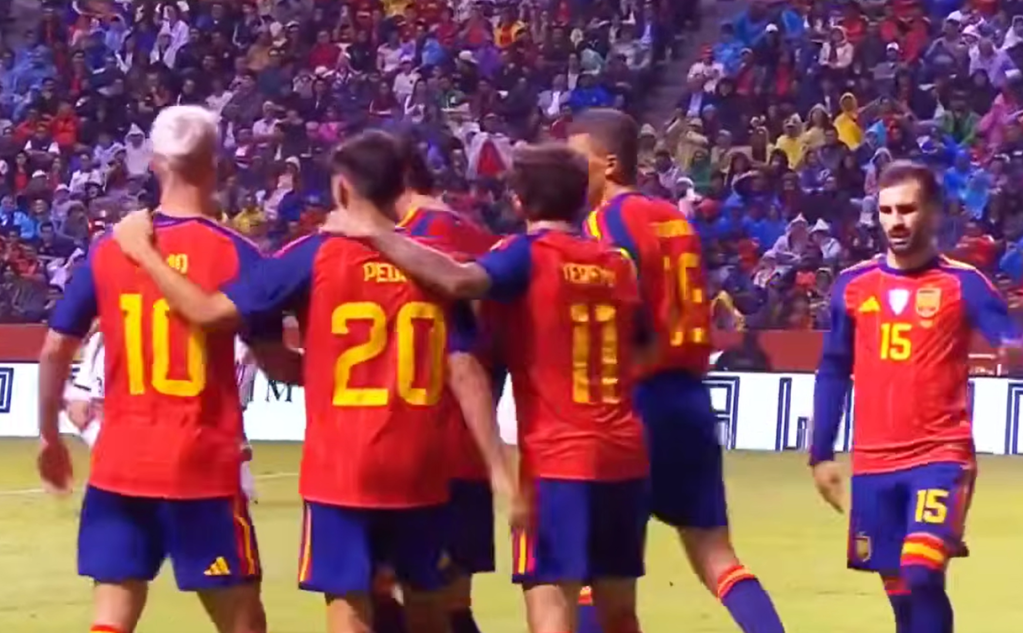
The objective for Spain is clear – emulate the class of 2010 by following up European glory by triumphing at the World Cup. Luis de la Fuente’s side were by far the best team at Euro 2024 and have the players to go the distance in North America this summer. They retain the control of the tiki-taka days with a greater incision in attack from the explosive Lamine Yamal and Nico Williams, and their midfield of Pedri, Rodri and Fabian Ruiz is simply world-class. Theirs is a strong line-up from back to front, and they have plenty of strength in depth – the one big concern is that several likely starters have had injury problems in recent months. If that doesn’t hinder them too greatly, La Roja are well capable of adding their name to the base of the solid gold trophy for a second time on 19 July.
Cape Verde didn’t even qualify for the 24-team AFCON at the turn of the year, and yet here they are ready to do themselves proud in their first World Cup. They may be a tiny nation geographically, but they’ve made waves in African football in recent years, twice getting to the quarter-finals of AFCON, and as a team they’re stronger than the sum of their parts. Irish football fans will recognise Roberto ‘Pico’ Lopes from his time with Shamrock Rovers, and they’re a fast, direct team who can be lightning quick on the counterattack. The drop-off from starting XI to reserves is big, so they can’t afford any injuries, but Bubista’s unlikely lads may be one of the surprise feel-good stories from this World Cup, akin to Cameroon in 1990 and Senegal in 2002. They’ll be worth watching.
Saudi Arabia‘s domestic league might boast plenty of marquee names, but their national team has been in a state of turmoil recently, making very heavy weather of qualifying for this World Cup and changing coach as recently as April. They’ll be looking to Salem Al-Dawsari – the scorer of their winning goal against Argentina in 2022 – to conjure another moment of magic up top, with the rest of their attack being rather ordinary. They are decent at the back and will try to frustrate Spain by sitting in, but I suspect their involvement at this tournament will be short and not particularly sweet.
Uruguay and Marcelo Bielsa make for quite a bombastic combination, and that’s even without the now-retired Luis Suarez. Their meticulous head coach will inevitably make them one of the fittest teams at the tournament, and they have a strong centre-back pairing in Ronald Araujo and Jose Maria Gimenez. At the other end of the field, though, which version of Darwin Nunez will turn up? The ex-Liverpool striker arrives at the finals out of form, so he could either be a big-name flop or one of the stars of the competition. There have been fractures in the squad under Bielsa, which is not ideal coming into a major tournament, so there isn’t a great deal of optimism ahead of the finals. It certainly won’t be boring under their veteran head coach.
Prediction: 1st Spain, 2nd Cape Verde, 3rd Uruguay, 4th Saudi Arabia

GROUP I
France go into this tournament aiming to be just the third team to reach the final of three consecutive World Cups (after West Germany 1982-1990 and Brazil 1994-2002), and the outrageous pick of talent available to Didier Deschamps makes that a realistic target. Les Bleus have a strong line-up from back to front, and their depth of attackers is simply eye-watering; the biggest dilemma may be figuring out the right blend of Kylian Mbappe, Ousmane Dembele, Michael Olise, Bradley Barcola and Desire Doue into a lethal unit. That said, the former comes into the finals off the back of a tough time at Real Madrid which saw him being jeered by his own fans; how he could do with coming alive in the World Cup yet again. France should be in the mix to win the trophy – can Deschamps combine so many top talents into a world champion team?
Senegal have the opportunity to repeat the feat of 2002 by defeating former colonial power France in their first match at this World Cup, although the Lions have come a long way since that seismic shock in South Korea. They won the AFCON title in January but were later stripped of it after Pape Thiaw had ordered his team off the pitch in the final in protest over a refereeing decision. They duly won’t be lacking for motivation in North America this summer, and a team blessed with pace and physicality could be Africa’s best hope of a deep run in the competition. They boast a fine blend of youth and experience, but a lack of centre-forward depth is apparent in Nicolas Jackson’s status as a certain starter. They’re in a tough group, but anything less than getting to the last 32 would be a huge disappointment.
Iraq took the circuitous route to their first World Cup finals in 40 years, having to play no fewer than 21 qualifying matches (some European countries had just six) but finally getting to the big show, sparking an outpouring of joy back home. They’ll be rank outsiders in what many believe to be the tournament’s hardest group, and we can expect them to set up quite rigidly under Graham Arnold, with a clear tactic to get the ball directly to target man Aymen Hussein. What they must be wary of is keeping their heads in moments of adversity – they were prone to silly red cards and daft defensive errors in qualification, and a repeat of those traits could be brutally punished at the World Cup. Expectations are minimal; they’ll simply be seeking to do their people proud and portray a positive image of the nation to the watching world.
In their first World Cup since 1998, Norway assume the role of widely touted pre-tournament ‘dark horses’, the team who aren’t among the favourites but are tipped to take the competition by storm. There’s one obvious reason for that billing – a fella called Erling Haaland who’s good to plunder the odd goal or two here and there. Aside from the Manchester City phenomenon, they have strong attackers in Alexander Sorloth and Antonio Nusa, and a good mixture of silk (Martin Odegaard) and steel (Sander Berge) in midfield. They’re not quite as strong at the back, and they’ll need to manage expectations in the country’s first major tournament appearance for a generation. Getting to the last 16 would be respectable and achievable, and seems to be about their level at present.
Prediction: 1st France, 2nd Norway, 3rd Senegal, 4th Iraq
GROUP J
After years of being serial chokers in big tournaments, Argentina now seem indomitable when the stakes are at their highest, winning the last two Copas America and, of course, the World Cup four years ago. The team which is bidding to retain the latter trophy is almost identical to the one which won it in 2022, apart from Thiago Almada replacing the now-retired Angel Di Maria. Lionel Scaloni’s side have the pedigree and the ability – they also have the iconic Lionel Messi for one last tournament. The potential pitfall of romping through qualification is they haven’t had a truly serious competitive test for two years, so can they recover that edge in time for the World Cup? Football-wise there are better teams at this competition, but the Albiceleste’s elite mentality could get them very close to defending their title.
Algeria may well be the most enigmatic team at this year’s World Cup. When they get it right – as they did against Netherlands last week – they can be very good. They can also be prone to car crash collapses on the big stage, having meekly bowed out of AFCON in January. The pluses are that they’re technically impressive and boast a breakout talent in 20-year-old playmaker Ibrahim Maza, the heir to Riyad Mahrez’s throne. The minuses are a weakness at defending set pieces and the lack of a convincing goalkeeper which has led to multiple options being tried, but none being settled upon (Luca Zidane, son of Zinedine, is the likeliest starter), The Fennecs may be on the borderline as to whether they scrape through as a third-place qualifier or just miss out.
Austria have become regular participants at the European Championship, but this is their first World Cup in 28 years. They’re one of those teams who seem poised to take a tournament by storm, only to then fall apart, which makes them difficult to read going into this competition. Under seasoned coach Ralf Rangnick, they’ll press the opposition high and work tirelessly in midfield, in the hope that the maverick talent of Marko Arnautovic and impact substitute Michael Gregoritsch can provide the penalty box magic. The big question mark is whether they can break down deep-lying defences, a challenge they’ll face at this tournament. They should be able to get out of this group without too much difficulty, but their likeliest fate is a round-of-32 clash against Spain, at which point they’ll probably make a respectable if somewhat forgettable exit.
The mood of euphoria in Jordan after securing their maiden World Cup qualification a year ago has given way to trepidation after injuries to two of their key forwards placed their involvement at the finals in doubt. Ali Olwan has recovered in time for the tournament, but Yazan Al-Naimat hasn’t made it, which represents a hammer blow to Jamal Sellaimi’s side. Given that setback and their role as huge underdogs, we can expect them to sit deep and try to pounce on the counterattack through lively wing-backs Mohannad Abu Taha and Ehsan Haddad. They’ll hope that the close-knit atmosphere akin to a club team can help them to pull off a major upset or two, but they’ll need more than that to trouble their more seasoned opponents in this group.
Prediction: 1st Argentina, 2nd Austria, 3rd Algeria, 4th Jordan
GROUP K
UEFA Nations League holders Portugal go to the tournament with a hugely talented squad, led once again by Cristiano Ronaldo as he seeks to score in a sixth successive World Cup. His unparalled scoring record (143 in 227 caps) speaks for itself, although questions persist as to whether his presence on the pitch actually disrupts team chemistry, especially when he’s enduring an off-day. This team is not just the CR7 show, though – they have an outstanding midfield of Vitinha, Joao Neves and Bruno Fernandes, and two marauding full-backs in Joao Cancelo and Nuno Mendes. They also boast impressive strength in depth off the bench, but can be exposed when defending crosses. There’s usually at least one big-name flop at a World Cup, and I’ve a sneaking suspicion that Switzerland will avenge their last-16 defeat from 2022 at the equivalent stage this year.
This is DR Congo‘s first World Cup appearance in their current guise, having previously partaken as Zaire in 1974. That incredibly naive team shipped 14 goals in three matches at that tournament, but the 2026 crop is far more streetwise and experienced at a high level. The Leopards have several recognisable names from the Premier League (Yoane Wissa, Aaron Wan-Bissaka, Axel Tuanzebe, Noah Sadiki) and a potent centre-forward in veteran Cedric Bakambu. Their defeats of Cameroon and Nigeria in the play-offs show that they can rise to a big occasion, and getting out of the group is a distinct possibility. Managing that would be deemed a more than satisfactory tournament for the Congolese.
Derided for so long as Asia’s ultimate bottlers when it came to World Cup qualifying, Uzbekistan finally got over the line last year and are determined not to let the experience pass them by. Their coach knows what it takes to excel at this level – Fabio Cannavaro captained Italy to the trophy 20 years ago – and he’s instilled a similar defensive discipline to the White Wolves. Manchester City’s Abdulkodir Khusanov is a rock at the back, and centre-forward Eldor Shomurodov has bags of Serie A experience. This may be their first World Cup, but they have several players with big-game nous at club level. They should be competitive on their debut on the world stage, even if a place in the last 32 might elude them.
Colombia are back after the despair of missing out on Qatar 2022, and their run to the Copa America final two years ago – allied with a strong World Cup qualifying campaign – means that they come into this tournament on a high. James Rodriguez is still a key player 12 years on from lighting up the finals in Brazil, and Luis Diaz and Luis Suarez provide an effervescent and potent duo up top. Jefferson Lerma provides steel in midfield, with Daniel Munoz a buccaneering threat from right-back, although their goalkeeper and defence can be weak spots. It’d be a shock if they crash out in the group stage; whether they go much further depends on how the knockout round brackets pan out.
Prediction: 1st Portugal, 2nd Colombia, 3rd DR Congo, 4th Uzbekistan
GROUP L
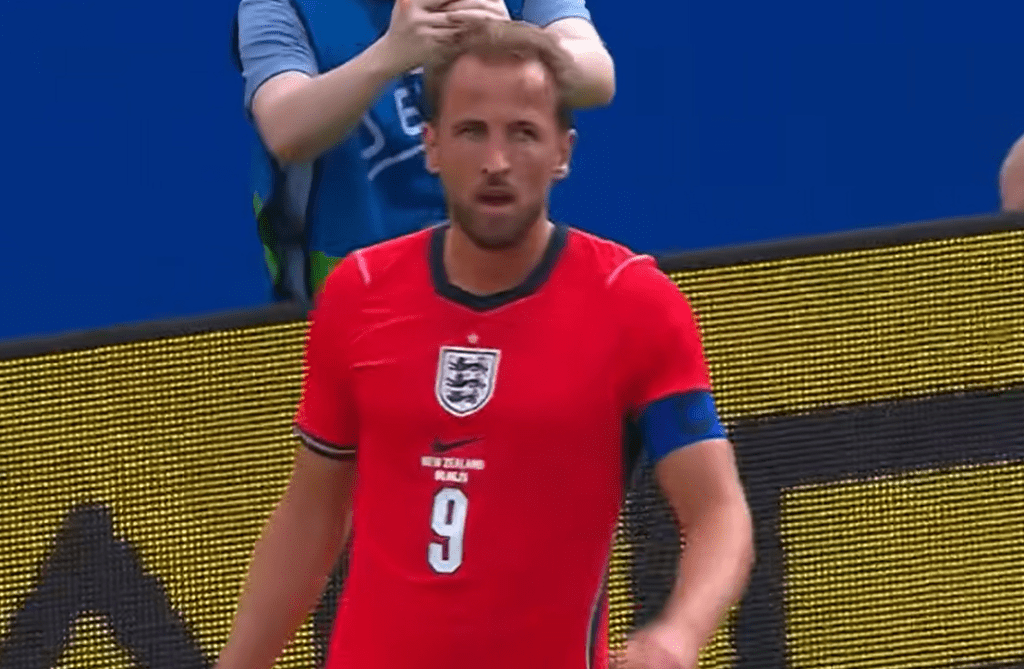
England‘s fans will not so subtly proclaim over the next few weeks that “football’s coming home”, 60 years on from their one and only major men’s tournament triumph. To be fair, they’ve been close on a few occasions in the past decade, and in Harry Kane up front and Thomas Tuchel in the dugout, they have two elite operators who could make a massive difference in competitions such as this. They have a strong spine from back to front, especially in midfield with Elliot Anderson and Declan Rice, but can Morgan Rogers and Anthony Gordon step up from being fine club players to top-level international stars? The Three Lions have learned the art of winning ugly and will probably go deep in this competition without being especially scintillating, although their tendency to be outclassed by a strong team at the business end of the tournament (most likely Brazil) will probably strike again.
Runners-up in 2018 and bronze medalists four years ago, Croatia are seasoned operators at the World Cup, and so are several of their current crop who featured in those tournaments. Luka Modric is still pulling the strings at 40, with Ivan Perisic, Andrej Kramaric and Ante Budimir all having plenty of miles on the clock. They’ve been there and done it at this level and have the temperament to edge tight games in major tournaments – the big worry is whether that veteran core might struggle in the intense North American heat. It hasn’t helped that Josko Gvardiol and Mateo Kovacic have been laid low with injuries coming into the finals – how sharp will they be? Zlatko Dalic’s side will probably win at least one penalty shootout in the knockout rounds, but a likely meeting with Spain in the last 16 could see the journey end there.
Ghana are another nation who pulled the trigger on a change of coach just a couple of months out from the World Cup, with the very well-travelled Carlos Queiroz replacing Otto Addo in April. Missing out on AFCON was a huge shock to the system, and friendly results since then haven’t been encouraging. Mohammed Kudus is also a massive loss through injury, so they’ll be banking heavily on Antoine Semenyo carrying his excellent club form into this tournament. Even if he does, there’s precious little quality elsewhere in the team, and it’s hard to find reasons for optimism for the Black Stars, who could be going home after just three games.
Panama were happy just to be participating at their debut World Cup in 2018, but this year they’ll want to show that they’ve matured since their Russian sojourn eight years ago. They have taken some big scalps in their own continent, and a compact, well-drilled team should be much more defensively secure than the side which shipped six goals to England in 2018. Midfielder Adalberto Carrasquilla is the brains of the operation, with winger Yoel Barcenas providing the creative spark, but they lack quality in the final third and will set up with modest ambitions, especially against England and Croatia. Third place in the group is the target, but even that mightn’t be enough to see them advance to the knockout stages.
Prediction: 1st England, 2nd Croatia, 3rd Ghana, 4th Panama
KNOCKOUT ROUNDS
Round of 32 (based on predictions above): South Africa v Bosnia-Herzegovina, Germany v Turkey, Netherlands v Morocco, Brazil v Japan, France v Sweden, Ecuador v Norway, Mexico v Scotland, England v DR Congo, USA v Canada, Belgium v Uruguay, Colombia v Croatia, Spain v Austria, Switzerland v Ivory Coast, Argentina v Cape Verde, Portugal v Senegal, Paraguay v Egypt
Round of 16: Germany v France, Bosnia-Herzegovina v Netherlands, Brazil v Norway, Mexico v England, Croatia v Spain, USA v Belgium, Argentina v Paraguay, Switzerland v Portugal
Quarter-finals: France v Netherlands, Spain v Belgium, Brazil v England, Argentina v Switzerland
Semi-finals: France v Spain, Brazil v Argentina
Bronze final: France to beat Brazil
Final: Spain to beat Argentina
 Man, Ball and All