How could an Ireland-hosted Euro 2028 look?

Earlier this week, the Republic of Ireland – along with Northern Ireland, England, Scotland and Wales – submitted a formal interest in co-hosting the 2028 European Championship, with a decision potentially set to be made by UEFA within the next fortnight. There have been reports of Russia also declaring an interest in hosting the tournament, but with the world’s largest country currently banned from international football activity after Vladimir Putin’s invasion of Ukraine, the chances of them hosting a second major football competition in 11 years thankfully seem farfetched.

It was in early February that Ireland and the UK announced their intention to bid for Euro 20208 hosting rights, a move which prompted some opposition on these shores as domestic football fans argued for the investment which would arise from that tournament to instead be put towards improving standards on and off the pitch in the country. Such a viewpoint is quite understandable – despite the best efforts of those involved, the League of Ireland often still struggles to deliver an attractive product in terms of the on-field action, the matchday experience and the optics of watching on TV (whenever LOI games are actually broadcast on TV, that is).

However, the positives of Ireland playing partial host to the second-biggest international competition in football should also be addressed. What a glorious opportunity this is for our nation to showcase itself to Europe and the world, with the host cities becoming a carnival for the thousands of fans set to descend upon the island.

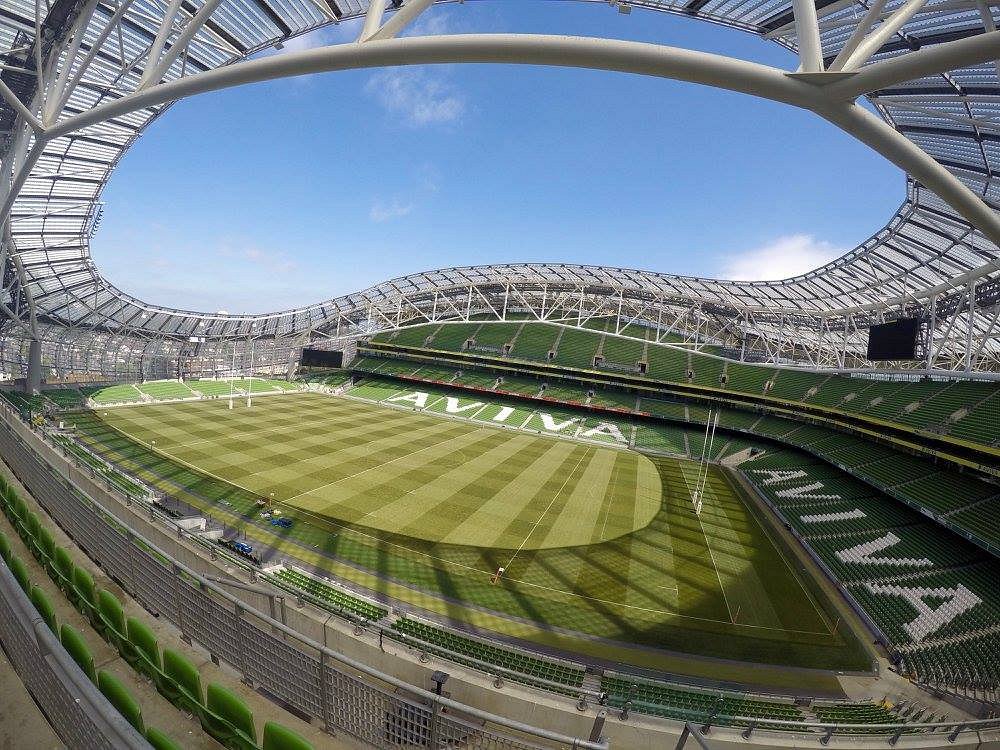
UEFA has given Ireland some morsels of big-game experience in recent years. The 2011 Europa League final was staged at the Aviva Stadium, while we hosted the European Under-17 Championship in 2019, a tournament which saw the likes of Brian Brobbey, Anthony Elanga, Joe Gelhardt, Fabio Silva and Karim Adeyemi flaunt their talents. It’s also worth remembering that Dublin’s flagship football venue had been due to host four matches at Euro 2020, including a round of 16 clash, only for it to lose those games due to being unable to guarantee spectator numbers as a consequent of the COVID-19 pandemic.

While that was the correct decision at a time when our country was in lockdown during the height of the virus, looking back there seems a sense of regret that last summer’s continent-wide extravaganza didn’t come to Dublin as originally planned. That should duly whet the appetite of Irish football fans to see our country finally getting its moment on UEFA’s biggest stage.

You may be wondering how Euro 2028 might look if, as hoped, the Ireland and UK bid emerges triumphant. At this stage it’s a guessing game, particularly when the last couple of years have shown just how quickly things can change when unforeseen events rear their head, but let’s get the imagination into gear and try to envisage how an Ireland-hosted Euro 2028 might be organised.

How many teams will take part and will we get an automatic place at the finals?

The last two European Championships have featured 24 nations, a 50% increase from before, although some reports have claimed that UEFA could raise the number of finals participants even further for 2028, with the possibility of a 32-team tournament not out of the question. This would give countries a mathematically greater chance of qualifying for the finals than missing out, as UEFA has 55 member associations, so logically it’s an expansion which shouldn’t happen.

It is traditional that a country hosting a major football tournament will be granted automatic qualification, but whether UEFA sticks with the current 24-team format or expands to 32 finalists, it seems improbable that Ireland and its fellow co-hosts would go straight into the finals. Were the tournament to remain at 24 teams, UEFA would be highly unlikely to sanction almost a quarter of its participants bypassing the qualifying stage. Even with a 32-team tournament, this would likely remain the case – indeed, UEFA published bidding information last year stating that no more than two nations would be granted automatic qualification.

Indeed, there is something of a precedent here, and a very recent one at that. Euro 2020 was staged across 11 countries, not all of whom played at the finals. Despite Baku and Bucharest hosting some of the matches, neither Azerbaijan nor Romania were at the finals. The same would also have been true for Ireland had Dublin remained a host venue.

Therefore, the prospect of the Boys in Green being locked out of its own party is a plausible one, although with a possible expansion to a 32-team tournament, you would like to think that we would surely manage to qualify in that instance. We are currently the 26th-best placed European nation in FIFA’s world ranking, so by that logic we should qualify, even if it is a close-run thing.

Would Ireland have the infrastructure and budget to cope with such a large-scale event?

The likelihood is that the island of Ireland would only have three host venues at most, possibly two if it is a 24-team tournament, so it’s not as if a Herculean effort would be needed across the entire country. The Aviva Stadium would be the obvious choice if the Republic gets one venue – if we get two, it would likely come down to a decision between using a second readymade Dublin venue in Croke Park, or selecting a second host city, most likely Cork. In the North, it seems a given that Belfast would be the host city.

The good news is that transport links between the aforementioned cities are already decent, with motorways connecting Dublin to both and a satisfactory public transport infrastructure which could easily be buffered for the duration of the tournament.

There is, of course, the logistical need to cater for visiting teams and supporters to each host city, but as already stated, Ireland would likely stage only a small portion of the tournament as a whole, so there would not be 20-odd teams descending upon Dublin Airport, plus a legion of spectators.

This country has past experience of hosting major world events, sporting or otherwise, with no enduring difficulty – think of the Special Olympics in 2003, or occasional papal visits, and the influx of people from other countries that those would have entailed. It’s also worth remembering that Qatar, a country whose land mass could fit into Ireland nearly seven times, is hosting a 32-nation World Cup on its own in just a few months’ time.

The question of budgeting and finance is thornier, though. Co-hosting Euro 2028 will bring with it a series of significant costs, such as improving transport infrastructure if needed and the possibility of renovating or building stadia. Security will be another major investment, with Garda resources set to be geared heavily towards the event.

If Ireland is to co-host Euro 2028, it seems inevitable that the taxpayer will be called upon to stump up some of the cost. At a time when much of the population is already struggling to keep up with the soaring cost of living, being asked to partially fund a tournament in which plenty of Irish citizens may not have any interest will not go down well. Indeed, in previous host countries of such major events, there have been protests over the hosting of football tournaments detracting from other significant fiscal priorities, such as healthcare and housing. These are both glaring issues in Ireland, the former even more so than usual after two years of trying to stem the tide of COVID-19.

Let’s say we overcome those barriers and co-host Euro 2028. How many games will Ireland get – firstly, if it’s a 24-team tournament?

Assuming the current 24-team format remains, there will likely be at least 10 venues between the five host nations. England will almost certainly have the bulk of these given their superior infrastructure, with the probability of either five or six English venues, one or two in Scotland, and one each in Wales, Northern Ireland and Republic of Ireland.

At least one of the venues will need to seat at least 60,000 spectators – Wembley exceeds this figure by some distance. There will need to be at least two more with 50,000 seats – Ireland has two such venues in the Aviva Stadium and Croke Park. Another four would need to hold 40,000 or more, with the remaining three having a minimum 30,000 capacity.

The Republic of Ireland would duly be covered, but there would be work to do north of the border if Belfast is to stage Euro 2028 matches. Even after redevelopment, Windsor Park has a capacity of just 19,000, less than two-thirds of the minimum requirement for the Euros, so bringing this up to the necessary 30,000 would be a substantial obstacle.

One alternative in Belfast is to renovate and reopen Casement Park, which is reportedly set to be revamped to a 35,000-seater venue. If this can be pulled off in the necessary timeframe, it would give Northern Ireland a stadium which meets the standards set out by UEFA.

A calculated guess at the venues for a 24-team tournament in Ireland and UK would be this:

England (5): Wembley (London), Old Trafford (Manchester), Anfield (Liverpool), Villa Park (Birmingham), St James’ Park (Newcastle)

Scotland (2): Hampden Park (Glasgow), Murrayfield (Edinburgh)

Wales (1): Principality Stadium (Cardiff)

Republic of Ireland (1): Aviva Stadium (Dublin)

Northern Ireland (1): Casement Park (Belfast)

All 10 venues would host at least three group matches and one knockout match, with the five host nations to be granted home fixtures in the group stage if they were to qualify.

The quarter-finals would be held in Liverpool, Newcastle, Cardiff and Dublin, with the semi-finals in Manchester and Glasgow and the final at Wembley. Where possible, a host nation will play in one of its country’s venues in the knockout rounds (i.e. the draw would be structured in such a way that, were Ireland to win their group and reach the last eight, their quarter-final would be in Dublin), but this would obviously depend on the composition of the draw relative to where each team finishes in its group.

The semi-finals would be in Manchester and Glasgow, and the final would then be at Wembley.

Seems manageable. Alright then, what if UEFA goes large with a 32-team finals?

Building upon the estimated host city breakdown above, there would be several English stadia ready to add straight away. Within London alone, you could easily have one of the Emirates Stadium, Tottenham Hotspur Stadium or West Ham’s London Stadium added to the mix. The Etihad Stadium would also be more than capable, although UEFA may be reluctant to grant Manchester two host stadia.

That’s the same dilemma which could befall Dublin if Ireland gets a third host venue from an expanded 32-team finals. Even though Croke Park is ready and waiting to use (assuming there is no repeat of the Rule 42 saga from the 2000s), it might not go down well if the capital city was to get both of the Republic’s venue picks.

That could see Cork being chosen as a host city, and it already has a 45,000 capacity stadium in Páirc Uí Chaoimh. However, as this too is a GAA venue, there would be hoops through which to jump in order for it to play host to football – there is already a precedent for this going back to the Liam Miller memorial match in 2018. Also, the east and west terraces would need to be converted to seating to satisfy UEFA requirements. Another doubt over Páirc Uí Chaoimh’s suitability is its location, which is far from the most accessible transport-wise and could send overseas visitors with a less than stellar sense of direction on an elongated tour of Blackrock or Ballintemple.

Therefore, it could happen that a new stadium is built in Cork for an expanded 32-team Euro 2028, if Ireland is to get a third host city. It would also give the FAI a workable alternative to the Aviva Stadium for hosting Ireland internationals, although the same could be said of the under-utilised Thomond Park. Indeed, with almost every under-21s and women’s international staged at Tallaght Stadium, the FAI seems to forget at times that it is allowed to use venues outside of Dublin.

If Cork were to get an all-new football stadium, it also throws up some immediate questions. Given the FAI’s reluctance to stage Ireland matches outside of the capital city, would this new venue quickly become a white elephant once Euro 2028 is over? Where in Cork would the new stadium be located? Would it be adequately served by public transport? Could it be built somewhere on the outskirts of the city which is already on a railway network?

Again, based on the optimistic assumption that these hurdles can be overcome, let’s envisage how a 32-team Euro 2028 might look:

England (6): Wembley (London), Old Trafford (Manchester), Anfield (Liverpool), Villa Park (Birmingham), St James’ Park (Newcastle), second London venue of either Emirates Stadium/Tottenham Hotspur Stadium/London Stadium

Scotland (2): Hampden Park (Glasgow), Murrayfield (Edinburgh)

Republic of Ireland (2): Aviva Stadium (Dublin), Croke Park (Dublin) or new venue in Cork

Wales (1): Principality Stadium (Cardiff)

Northern Ireland (1): Casement Park (Belfast)

The logical assumption would be that a 32-team Euros takes on the same format as the current World Cup, namely eight groups of four with the top two progressing to the last 16. This would ensure 48 group stage matches, with each of the 12 venues staging four games. Each venue would then get at least one knockout round match, potentially divided as follows:

Round of 16: Wembley, Manchester, Glasgow, Birmingham, Newcastle, Edinburgh, Belfast, Cork/Croke Park

Quarter-finals: Liverpool, Cardiff, Dublin (Aviva Stadium), second London venue

Semi-finals: Manchester, Glasgow

Final: Wembley

Of course it might not happen that Euro 2028 comes to these shores, but with a formal interest being declared, why can’t we begin to envisage what it might be like to have some of Europe’s best footballers descending upon this island of ours? If nothing else, it’s fun to at least imagine how it might all play out.

From Sutton to Spurs: A three-day tour of London’s football grounds

It was during the first COVID-induced lockdown that, with a substantial dollop of wanderlust, I began to map out the idea of visiting every football stadium in London from the Premier League and Football League. Having started by looking at the nearest Tube/train station to each one, it was then a matter of joining up the dots to determine the most efficient way of getting from one to the other. Sutton United’s promotion to League Two earlier this year added another venue to my list, while the plans became more formalised once I had my accommodation and travel dates booked.

The final count came out at 14 venues to visit (including Wembley) in the space of three days, Ryanair’s flight schedule facilitating ample time on both the date of arrival and departure to complete the mission. Despite months of rigorous planning and rejigging, I set off knowing that there were still factors outside my control which could scupper the whole enterprise (e.g. transport disruptions, inclement weather), but I either took a chance on those or the damn thing wouldn’t happen at all.

The pandemic hasn’t receded fully by any means, but with the safety net of full vaccination, the time felt right to follow through on my London groundhopping tour in the first week of October. Having set foot on a plane for the first time in 21 months a few days ago, here is how the three-day escapade unfolded.

Day 1: Tuesday 5 October

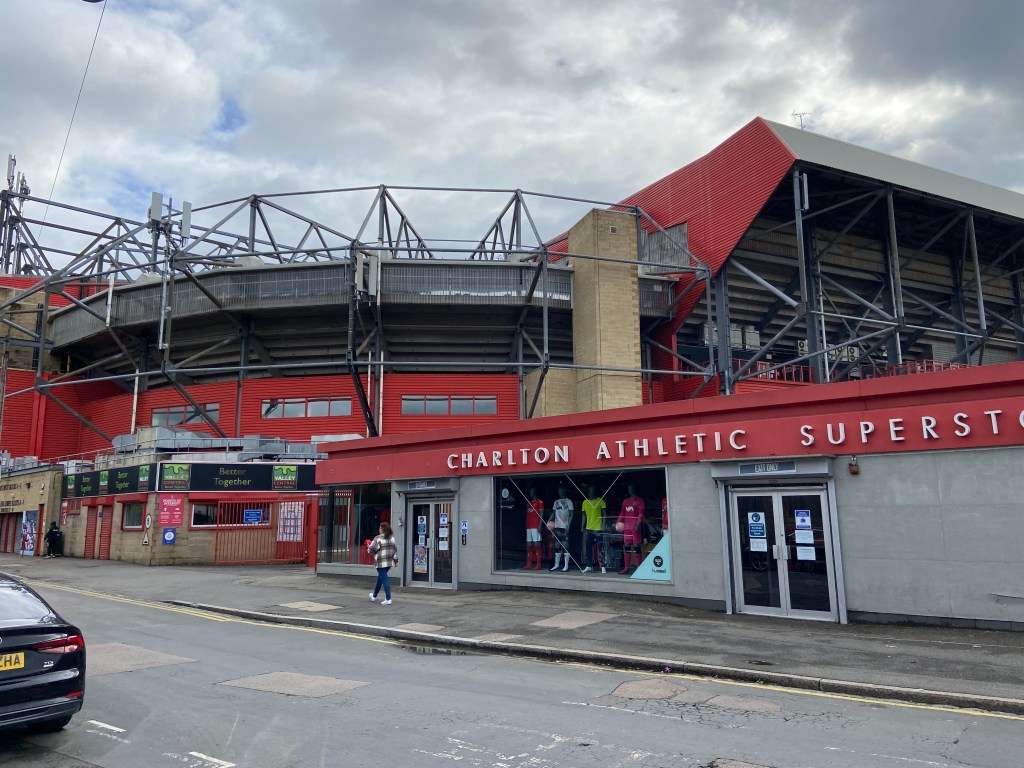
Venue 1: The Valley (Charlton)

I began with a venue I had visited as a 16-year-old in 2005 as part of a London trip with the underage football team I represented at the time. That was back when Charlton and Bolton, both of whom now play in League One, were Premier League clubs, the latter emerging 2-1 winners as El Hadji Diouf scored the decisive goal for Sam Allardyce’s team. Suffice to say I didn’t enjoy that.

A quick 15-minute train ride from London Bridge took me to Charlton station, where I was immediately met with a wall mural reading ‘This way to The Valley’ and an arrow fulfilling its purpose. Even with the security of Maps on the phone, this was appreciated!

A five-minute stroll later, I found myself on a residential street as the red-topped back of one stand came into view, soon followed by Charlton Athletic’s Superstore. It was an unspectacular yet inoffensive sight, with The Valley’s ability to drum up an atmosphere reflected by The Who breaking a performance decibels record during a 1976 gig at the stadium.

The presence of ‘Addicks’ on a postbox at a nearby residence and the hard-to-miss Valley Cafe on the corner of the street where you’d turn off when walking to and from the train station were indicators of the football club’s presence in the area. Satisfied that I had begun the trip with an easily accessible stadium, I was up and running. It was back to London Bridge for the next ground.

Venue 2: Selhurst Park (Crystal Palace)

From east to south, the next train took me towards Norwood Junction, the station situated closest to Selhurst Park, home of the first Premier League club on my list. Travel tip for any prospective future visitors – there is another station called Crystal Palace but that is not as close to the stadium.

I was glad to get to this one early as Selhurst always seemed to be rocking whenever I watched Palace games on TV, with added intrigue due to having some Eagles-supporting relations (whom I visited that night) living nearby.

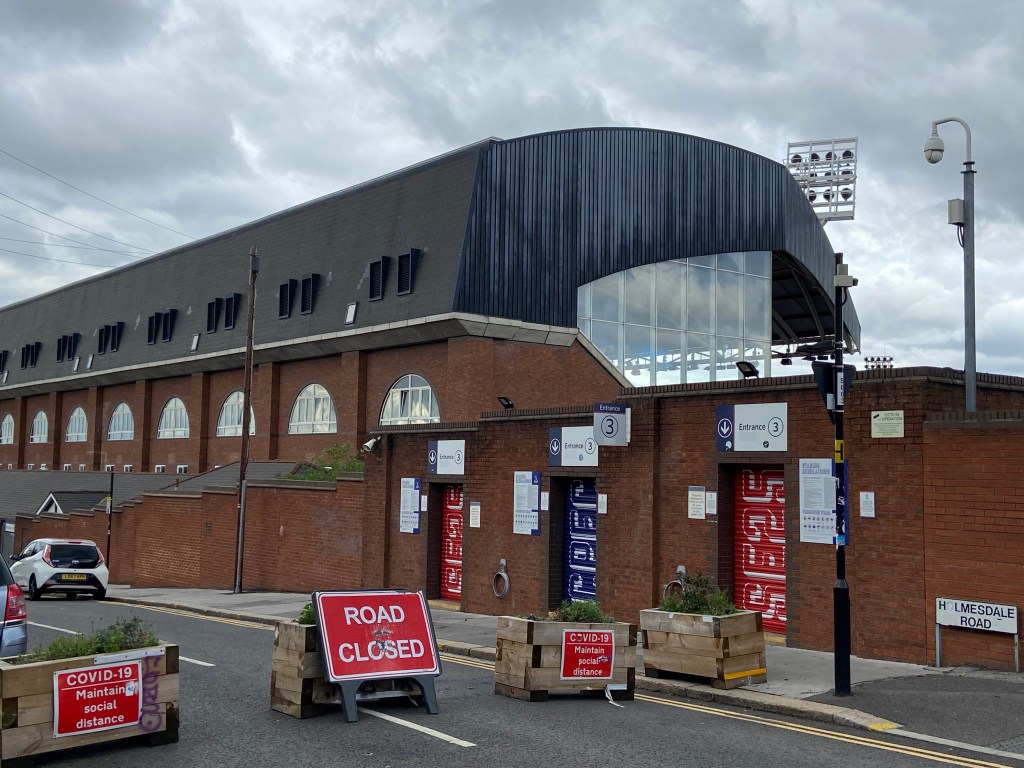
The directions to Selhurst from Norwood Junction seemed quite simple – come out of the station, walk past Aldi, take the next left and keep going until you see the stadium. Alas I ended up going one turn-off too far, instead coming at the ground from the top-left corner as you’d watch it on TV (the tunnel area from which the players emerge).

A lone security man took up station at a half-opened gate when I arrived on the scene, perhaps wondering why some randomer with an Alice band was stopping to take photos of the stadium perimeter. Once I had my share of images, I continued along the back of the distinctive stand on the Holmesdale Road and hopped on a city centre-bound train just as it was about to pull off. Now that I know for sure how to find it, I very much plan to return to Selhurst Park for what seems a frenetic matchday experience.

Venue 3: Plough Lane (AFC Wimbledon)

Had I done this in the 1990s, I would’ve killed two birds with one stone at Selhurst Park, where Crystal Palace ground-shared with Wimbledon. Alas, the latter mutated into MK Dons in 2004, with fan-founded breakaway club AFC Wimbledon climbing the pyramid in subsequent years and making their way onto my must-visit list.

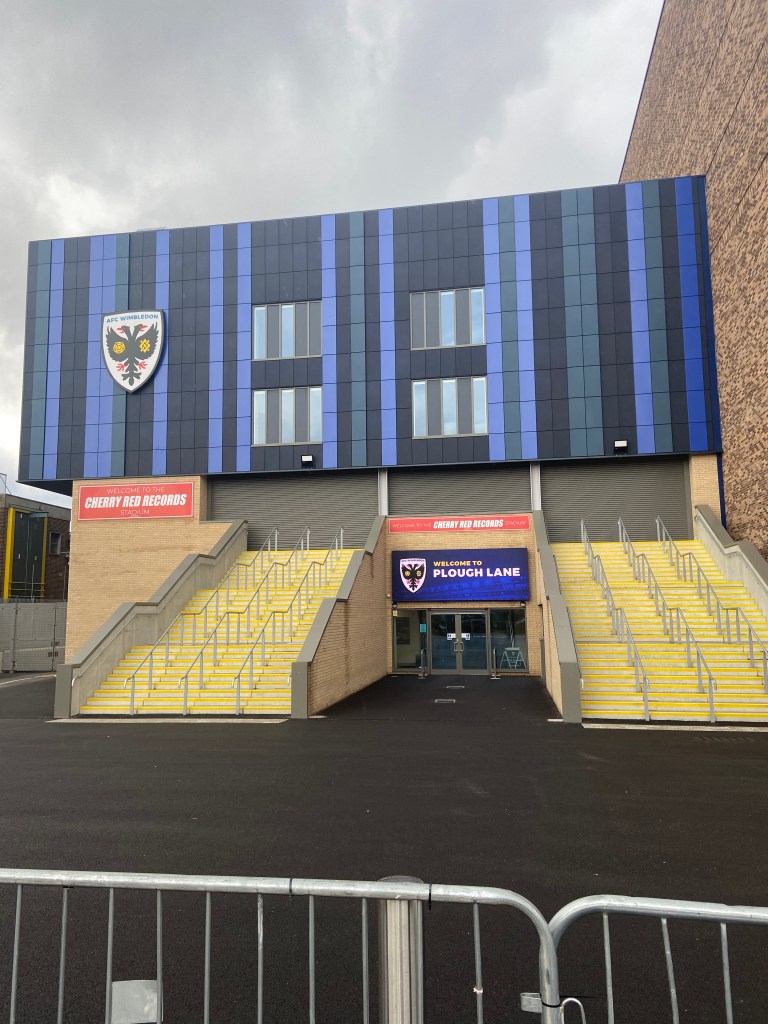
In 2020 they returned to Plough Lane, where the former Wimbledon had left an indelible mark on English football in the 1980s. The current venue is a new carnation, and it also necessitated one of the longer station-to-stadium walks on the trip from Earlsfield station.

The 15-minute walk was at least a mostly straight one, but even at the juncture where Maps was telling me I would find Plough Lane, the eye was met only by modern apartment blocks. Eventually I found the entrance across from a retail park, with the stadium neatly condensed into a compact residential area.

It was on the walk back to the train station that I was met with my first rain shower of the trip. Thankfully, it would also be the last – the weather gods played a blinder!

Venue 4: Brentford Community Stadium (Brentford)

The last stadium visit of Day 1 took me to another ground which opened as recently as last year, with a short train trip to Clapham Junction to catch the service to Kew Bridge.

I certainly didn’t need Maps to help me find Brentford’s new home – upon disembarking at Kew Bridge and doing a 180-degree turn, part of the ground overlooked the platform, the Bees’ crest instantly identifying it as their stadium. Reaching it was as simple as going up the steps from platform to street, taking an instant left turn and walking along the back of one of the stands.

Brentford’s former home Griffin Park famously had a pub on each corner, but while beer enthusiasts don’t have such a pleasure with their new ground, the Premier League’s newest venue looks very smart indeed. It is also in the shadow of a large-scale construction project next to the ground – certainly not the last time I’d see that over the course of the trip to England’s capital city.

Day 2: Wednesday 6 October

Venue 5: Gander Green Lane (Sutton United)

Here’s the bit where even I questioned whether my enthusiasm had gone too far. Having been up at 6:15am the previous morning for the flight to London and not arrived back at my hotel until after 11pm that night, I had another pre-6:30am start to make sure I gave myself ample time for the longest leg of the tour.

Having first needed to get a train from London Bridge to Tulse Hill, I then had to get a connecting service to Sutton and another to West Sutton…only for me to miss the latter, thus prompting me to walk 25 minutes to the ground rather than wait half an hour for a three-minute train journey.

Time logic aside, it was well worth strolling from Sutton station, as the walk took me through a nice southwest London suburb until I reached Gander Green Lane, home to the Football League’s newest member Sutton United.

There were no delusions of grandeur here – the ‘Next Match’ bulletin board in front of someone’s house still used physical Countdown-esque letter-by-letter inserts, the club shop was a white-painted hut and the only sign of life was some lad in a truck who could have been very bemused by the sight of someone wandering into a League Two club’s stadium at 8:45 in the morning to take a few photographs. As you do.

Venue 6: Craven Cottage (Fulham)

By accident more than design, I found myself at my next stop on the tour almost an hour earlier than I had originally planned. The train from West Sutton stopped at Wimbledon, from where I hopped on a District Line tube to Putney Bridge.

The directions I had noted for Craven Cottage told me to walk through an underpass but, having been unable to spot it, I instead took a much longer route to get me to the entrance to Bishops Park, a riverside greenery which on this sunny Wednesday morning was awash with joggers and dog walkers. Already this was making its way to the top of my list in terms of the most enjoyable ground to visit thus far.

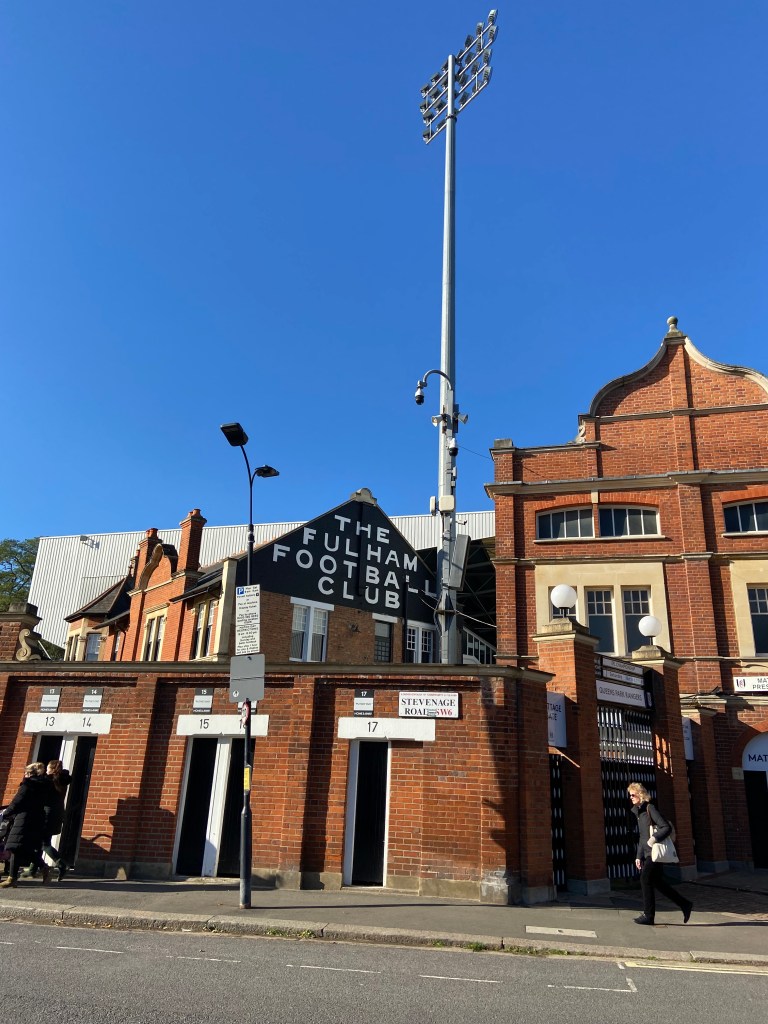
Fulham’s home is often cited as an away day favourite for football fans in England and I quickly understood why. The picturesque walk through Bishops Park takes you to Craven Cottage, which is resplendent with a redbrick exterior and a statue paying homage to club legend Johnny Haynes, the first footballer to earn £100 per week back in the simpler time that was 1961.

With time on my side, a grouchy stomach and the placidity of a riverside view to enjoy, I took the chance to sit in Bishops Park for a bit and munch on what turned out to be breakfast before proceeding to the midway point of the 14-stadium tour.

Venue 7: Stamford Bridge (Chelsea)

It was now time for what was the handiest leg of the tour. Upon returning to Putney Bridge, I only had two stops on the District line before reaching Fulham Broadway, the nearest Tube station to Stamford Bridge. Upon exiting the station, there can’t have been much more than 100 metres to the entrance to Chelsea’s home ground.

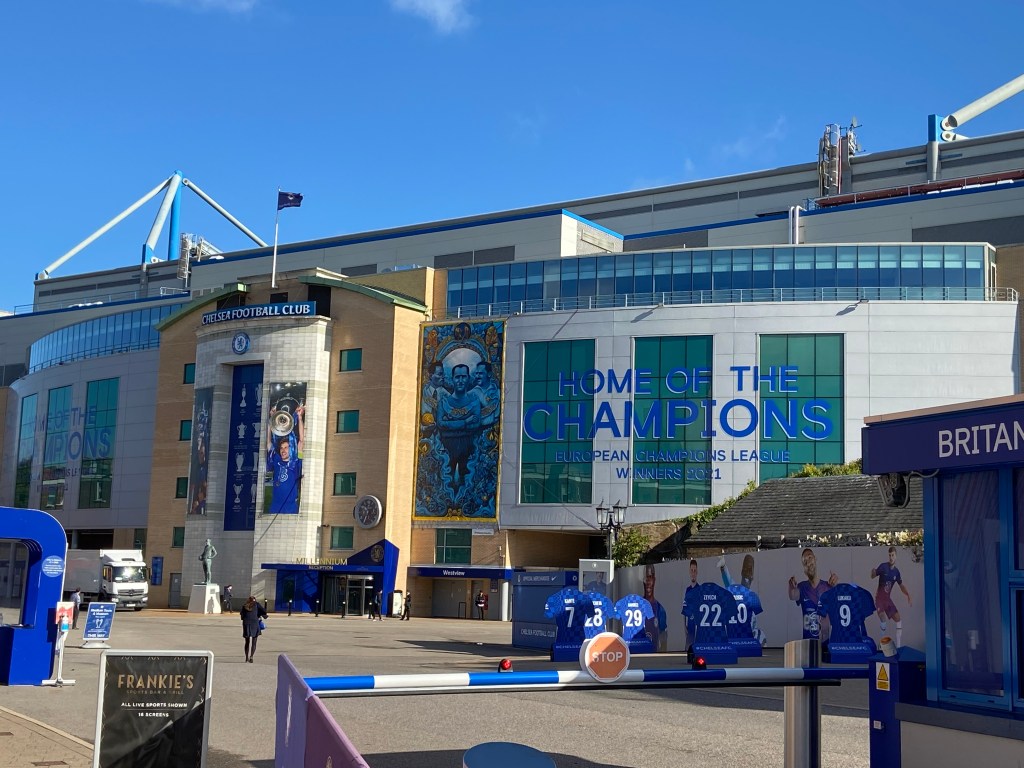
Indeed, as soon as you turn onto Fulham Road, the crest of the current Champions League holders is visible outside their stadium, with no recourse to Maps or any such directional aid needed here.

Whilst I didn’t enter the ground itself, there was plenty to catch the eye outside of it. The words ‘Home of the Champions’ are unmistakably emblazoned across the stadium wall, the Blues understandably taking pride in their status as holders of the European Cup. There were also several replica shirt boards as you walk towards the ground, with the names and numbers of N’Golo Kante, Hakim Ziyech and Romelu Lukaku particularly noticeable.

Just like that, I had ticked off 50% of my stadium list within 24 hours of getting to London, and I still had the bulk of Wednesday as well as Thursday morning to complete the set. Time was very much on my side as I continued on to the next whistle stop.

Venue 8: Kiyan Prince Foundation Stadium (QPR)

The venue is known as Loftus Road for shorthand, but it merits being cited with its full name given the commendable cause which it honours. The Kiyan Prince Foundation was established in memory of a former QPR youth player who, at the age of just 15, was stabbed to death in 2006, with the not-for-profit organisation committed to using Kiyan’s legacy to combat knife crime and other forms of youth violence

From Fulham Broadway, I took the District line to Notting Hill Gate, changing for the Central line to White City, where I had actually disembarked on a previous visit to the nearby Westfield shopping centre. On this occasion, I was turning right out of the station rather than left, with a quick left turn along a straight road (and past more construction work) until reaching the stadium.

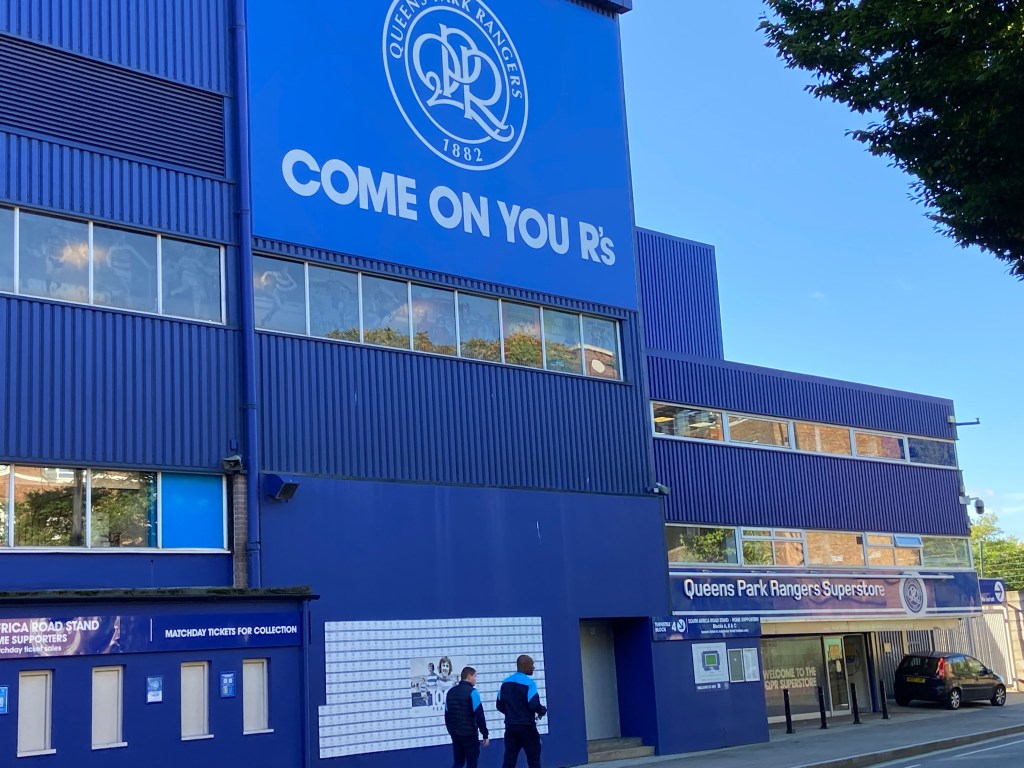
While the ground is identifiable from a distance, the presence of The Queen’s Tavern, whose coat of arms is near-reminiscent of a one-time QPR crest, offers a sure sign that the Hoops’ home is nearby. Only for the sign displaying the stadium name, casual onlookers may be forgiven for mistaking it as a nondescript block of offices, although a walk to the far end of the ground eliminates any ambiguity with a giant QPR crest and the accompanying slogan of ‘Come on you R’s’.

As I walked towards that feature, I noticed two men in club tracksuits coming out of a door to the stadium. They looked for all the world like two of their current players given their attire and muscular physique, but any hopes of identifying them were scuppered by not wanting to stare too long and my general ignorance of the current QPR playing roster, with no disrespect intended to supporters of the club.

Venue 9: Tottenham Hotspur Stadium (Tottenham)

Some of the bonus time I had picked up from the morning was lost near midday as I tried to be too clever in altering my transport plans, but I made amends by getting to Liverpool Street just as the 12:45 train to White Hart Lane was about to pull off.

Upon getting off in north London, I noticed a group of four Americans who were speaking with considerable excitement at visiting Tottenham’s stunning new home, which similar to Stamford Bridge could not be missed from its nearest public transport stop.

A five-minute walk brought me to the gleaming exterior of the stadium, which opened two-and-a-half years ago and instantly answers any queries as to why it cost £1bn. LED screen displays advertised upcoming events at the venue, including the recently-played NFL fixtures and Spurs’ home clash against Manchester United at the end of October. I thought back to the modest billboard outside Sutton United’s ground which served the same purpose but did so in a rather more understated fashion.

Tottenham’s towering new stadium might seem a tad out of place directly across the road from some unassuming high-street takeaway restaurants, but it certainly struck me as a venue where I would love to attend a match of some description. With that, it was back to Liverpool Street for some overdue lunch!

Venue 10: Emirates Stadium (Arsenal)

From Liverpool Street I took the short Central line route to Holborn, changing for the Piccadilly line northbound to Arsenal. Unlike Crystal Palace station, this was a stop which was closest to the football club bearing its name.

Upon turning right coming out of the station, it is barely a five-minute stroll to the Emirates Stadium, with an exterior ticket desk at the bottom of a flight of steps signifying the presence of the Gunners in this particular part of Holloway.

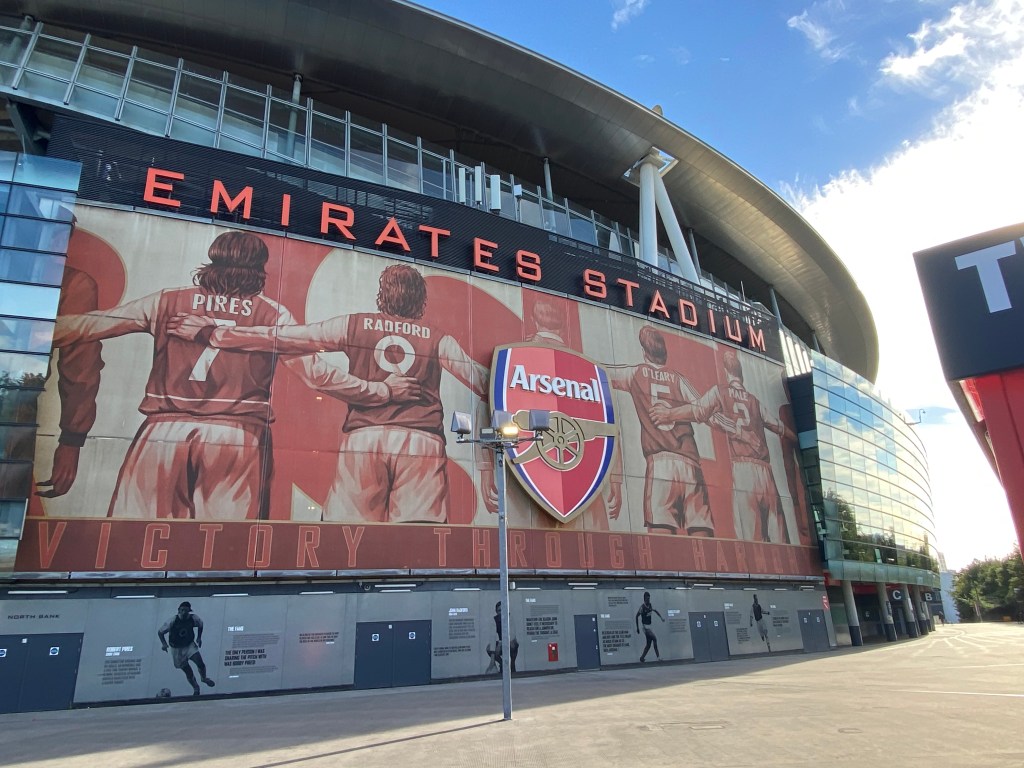
After ascending the steps, I crossed a bridge to the stadium itself where Arsenal’s storied history was evident, with flags bearing the names and images of some iconic former players, among them Ireland’s greatest in Liam Brady.

That ode to the club’s past is also illustrated excellently around the stadium perimeter, with eight giant murals each depicting four Arsenal legends stood in a huddle. Among the statues I came across was one of Tony Adams, who even non-Gunners fans like me would rightly acknowledge as one of the greatest defenders of his era.

It certainly seemed like there was more to see had I walked around the entirety of the Emirates Stadium (all that was missing was the AFTV crew shooting a video), but with plans to meet a work colleague and then attend a West End musical, I wrapped up Wednesday’s sextet of stadia with Arsenal’s home ground, capping off a busy venue-hopping day which began in the humble surroundings of Sutton.

Day 3: Thursday 7 October

Venue 11: The Den (Millwall)

Another pre-7am start for the final day of the trip, but it wouldn’t take me long to get the ball rolling. Millwall’s home ground is the closest to London city centre of any of the 14 I was visiting, requiring just a five-minute train ride from London Bridge to South Bermondsey.

Although the club and many of its fans do fantastic work in its community, I was conscious of Millwall’s unwanted reputation for hooliganism based on the regrettable actions of a moronic minority on previous occasions. I had also seen that the walk to The Den contains a brief passage underneath the archway of a concrete bridge, almost like the setting for a tense movie scene where confrontation seems imminent.

I didn’t quite get as close to The Den as I would have liked for pictorial posterity, owing to me fearing I had gone off the beaten track and the presence of somebody who, while probably not dangerous, still carried the gait of ‘do not cross’. The best photos I managed to get were from the platform of South Bermondsey station, where I thought it best not to stand around for half an hour on a chilly October morning to wait for the next train when I still had three more venues to tick off and a flight to catch that evening. It was quickly on to the next destination.

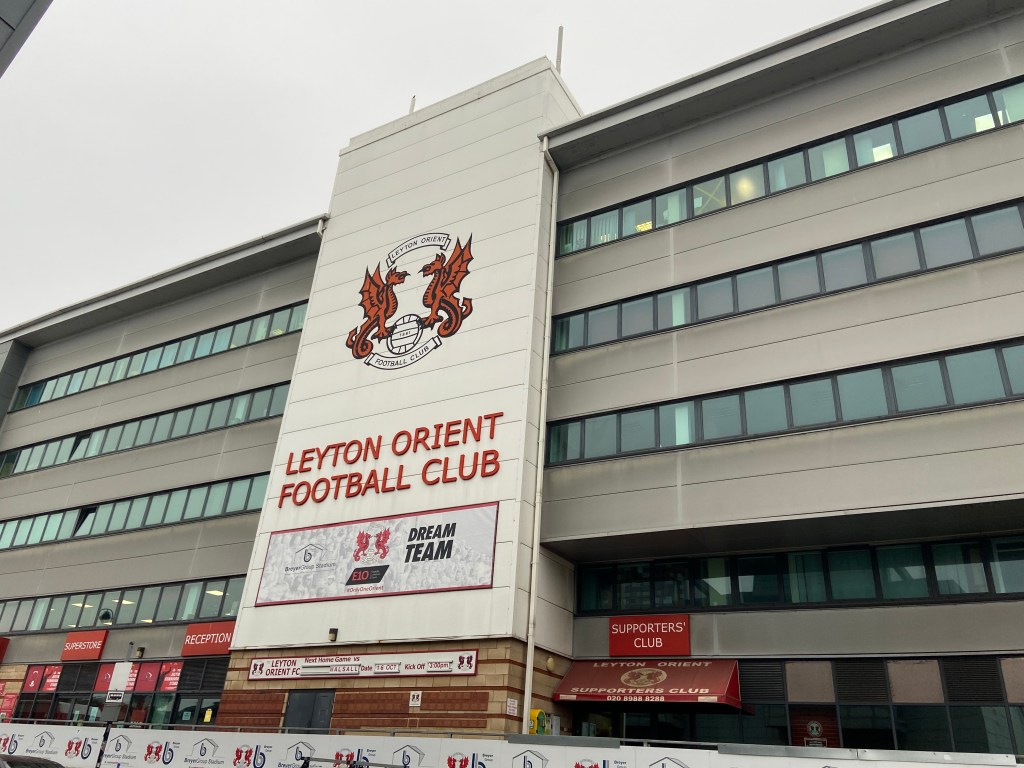
Venue 12: Brisbane Road (Leyton Orient)

Sponsorship decrees that the most easterly ground I visited on my expedition is called The Breyer Group Stadium, but the time-honoured Brisbane Road will do.

Upon returning to London Bridge, I crossed the bridge itself to Bank station, from where I got the Central line to Leyton. After a right turn and nearly 10 minutes of walking, I reached the Coronation Gardens park where Maps told me to go left, at the end of which a right turn (and yet another construction project) took me towards the home of Leyton Orient, who are back in the Football League since 2019.

Similar to QPR’s home ground on the other side of the city, the exterior of Brisbane Road almost looks like a series of office blocks, aside from one broad concrete pillar which dispels any doubts with the signage of ‘Leyton Orient Football Club’ and the club crest.

On the walk back to the Tube station, I stopped quickly for some breakfast at a nice Italian cafe named Figo (you’d think it should be Portuguese with that name, but there you go). An apple juice and two crossiants later, it was back to the Tube to head towards the final club on my list.

Venue 13: London Stadium (West Ham)

Four years after London staged the Olympics in 2012, West Ham won the auction to take over the stadium where the Games were primarily staged. It meant goodbye to their Boleyn Ground home in Upton Park after 112 years, its last match documented brilliantly by Danny Lewis in the highly-recommended book ‘The Boleyn’s Farewell‘.

I had never been to that ground but various anecdotes as well as the film Green Street led me to believe that the approach to it was rather different to what you get on your way to the Irons’ current home. After getting off the Tube at Stratford, you pass through the modern, gigantic Westfield shopping centre, with abundant directions for Queen Elizabeth Olympic Park signalling the route to the stadium.

It’s not long before the ‘West Ham United’ lettering and the venue’s curved cantilever roof comes into sight, at which point it’s just a matter of walking straight down until you come to a set of vertically-arranged rail barriers. A large mural to legendary club captain Mark Noble and the lyrics to Hammers anthem ‘I’m Forever Blowing Bubbles’ appearing in instalments around the ground are nice touches.

West Ham fans of a certain vintage will understandably continue to pine for the atmospheric Boleyn Ground, but their new home is an aesthetic joy to behind, even if the passage through a shopping centre to get there feels a tad strange.

That was all 13 of London’s Premier League and Football League clubs ticked off, but I couldn’t do a stadium tour of the city without finishing up at one venue in particular…

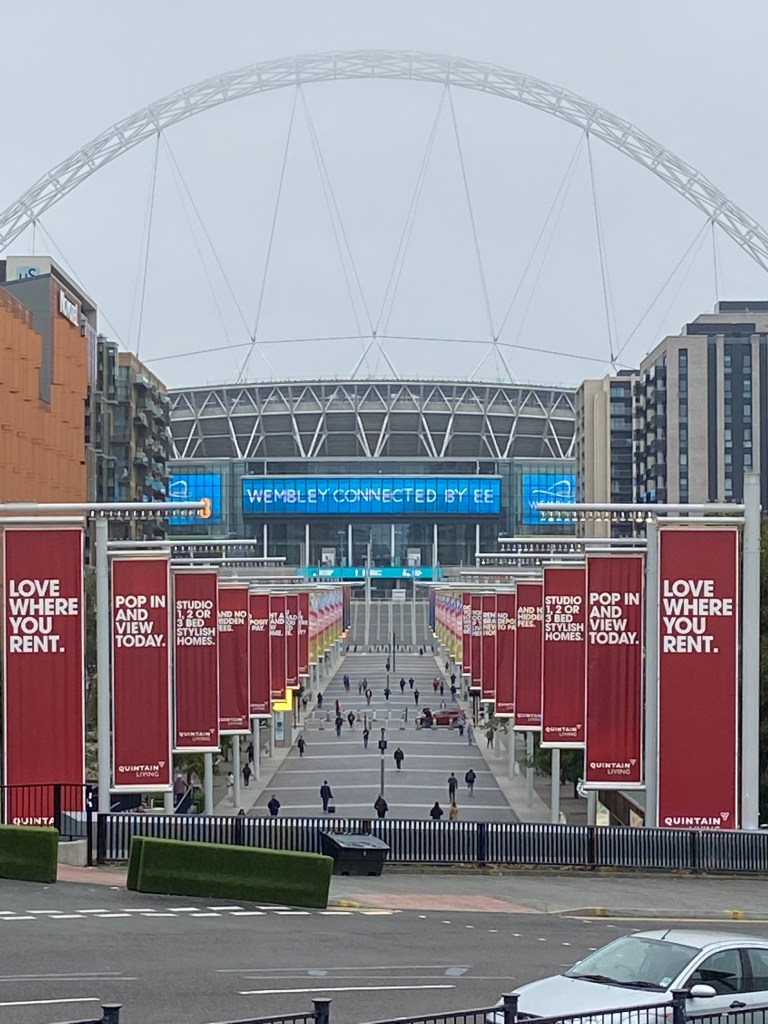
Venue 14: Wembley

Forget about it being the sight of brainless hooliganism prior to the Euro 2020 final – Wembley merits its reputation as one of football’s finest temples. Even for someone outside of England, there is something captivating about seeing its legendary walkway and that now-iconic arch in front of you once you pass through Wembley Park station.

I had been at the ground twice before, most notably for a 4-0 Liverpool win over Barcelona in a pre-season match in 2016 in the company of 90,000 Reds fans, and while I was deprived of the opportunity to do the stadium tour this time, it’s still an awe-inspiring place to visit. There is something about ascending the steps at the end of the walkway which gives you the big-game feels, even on a day when the only football being played in the area was on local parks by resident schoolboy and schoolgirl teams. A selfie outside the stadium and a few minutes to savour its splendour first-hand were obligatory.

There were mixed emotions as I got back on the Tube to return to the city centre – awe at seeing Wembley in all its glory, exhaustion as the three days of travelling caught up with me, a tinge of disappointment as the realisation dawned that the trip was essentially over. Most of all, though, there was a sense of accomplishment that, in less than 48 hours, I had made my way throughout London to tick off a long-standing bucket list item, namely visiting each of its top-flight and Football League stadia for the 2021/22 season.

Would I do it again? Probably not in its entirety, but there are certainly a few venues that I’d love to visit for a match. Was the weariness of a bustling Stansted Airport that evening worth it in light of the three days which had preceded it? Undoubtedly.

Travel tips for anyone planning a similar tour:

  • Plan, plan, plan beforehand. Know the order in which you’re going from ground to ground, find out which train or Tube services you need to get and ascertain how long it will likely take from point A to B. If you arrive over in London with no idea of which stations are nearest the stadia, or what connecting Tubes/trains you need to take to get there, a lot of your day will be wasted in trying to figure it out as you go.
  • Remember to factor in the time it will take to get from one point to another, not just the walk from station to stadium. While Tube services are fairly instant, the trains to Charlton, Crystal Palace, Sutton and Millwall will require some research of a Southern Rail timetable. It’s also worth learning not just your stop-off for each route, but also the terminus for that train, as that’s what you’ll need to look out for on the giant departure screens at London Bridge, for instance.
  • Purchase an Oyster card before you travel and make sure it’s loaded with at least £50. This will cover you for every single journey without needing to purchase individual tickets or determine if a different ticket is needed for various transport lines. The Oyster is all-compassing and, thanks to Transport for London being sound, is capped at around £13 for daily usage, so no matter how many trips you take and how far you travel, you won’t pay more than that…provided you remember to touch on and touch off at the yellow card readers at each station (that bit is very important!)
  • Download the Tube Map app for your phone, as this can offer guidance on how to get from point A to B if your plans do change. Also, make sure you have a digital map (e.g. Google Maps) on your phone, as even if you’ve done your research, you may still find yourself needing to consult a map to verify that you haven’t gone off track.
  • Unless the weather is very hot or cold, bring a light raincoat. You will warm up from doing so much walking so you don’t want anything too heavy, yet it is liable to rain all year around so you don’t want to be left drenched in just a T-shirt either…I got lucky with the weather for my visit.
  • Learn from one of my mistakes…remember to factor in mealtimes! I was so determined to get venues ticked off early that I sometimes neglected breakfast or lunch to the point where my stomach was ready for open warfare.
  • Pace yourself. I only had three days in which to fit it all in, so I was a little leg-weary by the last of those. If you don’t have more time than that, you can expect to feel the effects of it by the time you get to the final two or three grounds.
  • Most importantly, enjoy it! Yes it will take it out of you, but it is a hugely enjoyable venture if you’re into football. The contrast between the biggest and smallest venues on the tour was fascinating, as was doing the walks while imagining what it would be like to be surrounded by thousands of others on a matchday. This was one time when I’m so glad that I put a brainwave of mine into practice.

2021/22 Premier League preview: Could we be set for intense three-way title battle?

Believe it or not, we are about to dive into the 30th season of the Premier League since its landmark rebranding, with English football basking in the afterglow of its national team being a penalty shoot-out away from winning Euro 2020 and a second all-EPL Champions League final out of the last three.

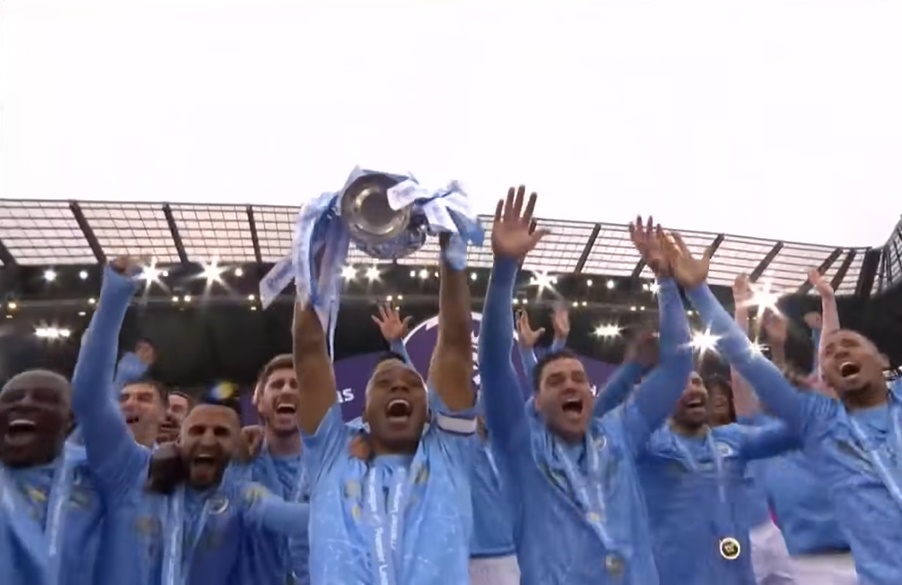
Manchester City comfortably regained supremacy last season, landing their fifth league title in 10 years, although Pep Guardiola’s side ought to expect a battle royale similar to when Liverpool pushed them all the way in 2018/19. Chelsea have proven to be the Cityzens’ Kryptonite since Thomas Tuchel took the reins at Stamford Bridge and the European champions could be strong contenders to topple Guardiola and co on the domestic front as well. Nor should we discount Manchester United, who have been steadily improving under Ole Gunnar Solskjaer and have executed some smart summer business.

This time last year, Liverpool were on the stratospheric high of ending their interminable wait for a Premier League triumph, but Jurgen Klopp’s side have not kicked on since that magical 2019/20. If anything, they may need to be mindful of being usurped by an Arsenal side who’ve had some astute additions, or possibly the continually overachieving Leicester. Meanwhile, Tottenham are in a state of flux while West Ham have Europa League commitments, so there could be a huge opportunity for someone like Aston Villa, Everton or Leeds to gatecrash the European places.

Wolves and Crystal Palace are both under new management following the reigns of long-serving predecessors, although both should have mid-table aspirations. Looking further down the food chain, the likes of Newcastle, Southampton, Burnley and Brighton will all hope to put a bit more distance between themselves and the bottom three than they managed last season.

Norwich and Watford are both back in the top flight after a 12-month absence and will hope to avoid the fate of Fulham and West Brom, both of whom went straight back down in 2020/21. The other promoted name will be the most intriguing, though – Brentford become the 50th club to play in the Premier League, and while they could relish a chance at taking down some of the top flight’s elite, this season is simply about trying to give themselves the best possible chance of staying up.

There are several reasons to be cheerful about the upcoming campaign. Fans are back in earnest after 2020/21’s lockout, while Mike Riley has pledged that VAR will be operated with a bit more competency this time around. We’ll believe that when we see it, but if he’s right, the 30th Premier League season should be a far more enjoyable spectacle than its predecessor.

ARSENAL

For the first time since 1996/97, Arsenal go into a season without European football to work into their schedule. That is a sign of how far they have fallen since their run of 19 successive Champions League campaigns under Arsene Wenger, but Liverpool fans will recall how the Jurgen Klopp era began to take flight when they were out of Europe in 2016/17. Mikel Arteta will hope to use that as the blueprint for navigating a Gunners squad with no shortage of ability, but still plenty of question marks over their consistency, throughout the forthcoming campaign.

Just as they have one of the youngest managers in the Premier League, Arsenal are gravitating towards deriving inspiration from some of the brightest young talents in English football, most notably Bukayo Saka and Emile Smith Rowe. Ben White has also been added to the mix for a cool £50m, but while the youth is certainly having its fling at the Emirates Stadium, Arteta could do with getting more out of experienced campaigners such as Pierre-Emerick Aubameyang, Alexandre Lacazette and especially the underwhelming Willian. They also need less of the self-destructive moments such as those which saw Granit Xhaka and Nicolas Pepe pick up stupid red cards last season.

Arsenal are still some way off getting back chasing for titles but a genuine push for top four this term would be seen as discernible progress. They still seem a little short of a Champions League return, but they should certainly improve on the eighth-placed finishes of the last two campaigns.

Prediction: 6th

ASTON VILLA

A summer spending splurge is no guarantee of success, as Aston Villa fans will tell you after their 2019 trolley dash preceded a final-day escape from the drop in July 2020. This time around, though, the spree feels different.

Jack Grealish will undoubtedly be a very difficult man to replace but Dean Smith certainly hasn’t been idle in trying to plug the gap, lashing out on creative talents such as Emiliano Buendia and the turbo-charged Leon Bailey. The capture of Danny Ings from Southampton also looks a very clever move, with both him and Ollie Watkins proving that they are capable of finding the net regularly at this level. Add a vastly under-rated goalkeeper in Emiliano Martinez and a sturdy centre-back partnership in Tyrone Mings and Ezri Konsa to the mix and you have strength all over the park.

Few, if any, Premier League clubs will be as happy with their summer transfer business as Aston Villa. If the likes of Buendia, Bailey and Ings reproduce the form from their previous clubs at Villa Park this term, a European finish is well within their grasp.

Prediction: 7th

BRENTFORD

Twelve months on from the bitter taste of defeat to near neighbours Fulham in the Championship play-off final, Brentford are finally among the big boys, with their fellow west Londoners passing them out on the escalator between the top two divisions to make it all the sweeter.

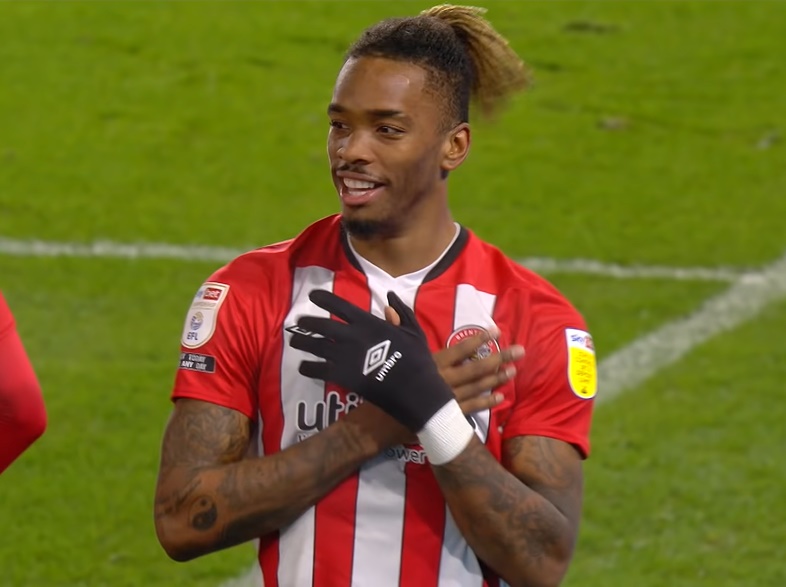
There is one standout reason as to why the Bees are back in the top flight for the first time since 1947 – Ivan Toney. The former Newcastle prospect tore the Championship apart last season, netting 33 goals as he fired Thomas Frank’s side into the promised land. There remains the distinct possibility of a big-money move elsewhere for the striker, but Brentford have shrugged off the departures of Neal Maupay, Ollie Watkins and Said Benrahma in recent years to keep their star ascending. It isn’t all the Ivan Toney Show, either – centre-back Ethan Pinnock also looks capable of making the considerable leap from Football League to Premier League, while former Celtic man Kristoffer Ajer should also shore up their defence.

Brentford will no doubt enjoy their first few months of Premier League action and will certainly fancy their chances of taking some lucrative scalps (possibly starting with Arsenal on Friday night?). However, with relatively little summer investment to what is fundamentally a Championship squad, the Bees might not have the longevity to keep the good times rolling for a full nine months. So long as they’re not completely outclassed, this will be a memorable season for their supporters no matter how it ends.

Prediction: 19th

BRIGHTON

In 2020/21, Brighton were like a Rolex watch with the battery taken out – lovely to look at but frustratingly ineffective. Time and again they created enough chances to blow teams out of the water, only to let themselves down with wasteful finishing and fateful lapses at the back.

Even with £50m bankrolled from the sale of Ben White, it has been a quiet summer on the transfer front from the Seagulls, with Graham Potter hoping that the plaudits which have come his way will more regularly translate into points. The talent is undoubtedly there in this squad – just look at how Tariq Lamptey took to top-flight football like a duck to water before his long-term injury, or how Danny Welbeck enjoyed an Indian summer at the Amex Stadium. However, they need to be more ruthless in both penalty boxes if they are to back up memorable wins over the likes of Liverpool and Manchester City by beating the teams around them, something with which they struggled last season.

Brighton should certainly be a nice watch once again under the likeable Potter, but unless they learn to seize the chances which come their way and can compensate for the absence of White at the back, it could be another season spent nervously peering over their shoulder at that dotted line separating 17th from 18th.

Prediction: 17th

BURNLEY

In stark contrast to Brighton, Burnley will rarely win points for artistic merit, but the formula which has served them so well for so long under Sean Dyche continues to yield Premier League stability for them. Last winter’s takeover from ALK Capital should also offer greater fiscal security, even if the Clarets aren’t exactly throwing money around in recent months.

By now we all know the ingredients which make Burnley tick – an excellent goalkeeper in Nick Pope, a no-nonsense centre-half duo of Ben Mee and James Tarkowski, an industrious midfield embellished by the creativity of Dwight McNeil, and the clinical robustness of Chris Wood up top. Dyche’s strongest XI is sound, but where Clarets fans have every right to worry is in terms of squad depth – no Premier League club has fewer than their 21 senior players, so a spate of injuries could leave them alarmingly threadbare.

Without being disingenuous, a mid-table finish would represent an excellent showing from this Burnley squad. So long as Dyche stays around and they keep the bulk of the first XI fit for most of the season, though, they should do enough to eventually put some distance between themselves and the drop zone.

Prediction: 14th

CHELSEA

It took favours from elsewhere for Chelsea to cling onto fourth place last season, but that was swiftly forgotten as Thomas Tuchel led the Blues to Champions League glory with a third victory over Manchester City in the space of six weeks. Frank Lampard put the pieces in place with last summer’s spending extravaganza; the German then found a way of combining them to greater effect upon his January arrival at Stamford Bridge.

The splurge of 2020 has meant that Tuchel hasn’t had to be too frantic in the transfer market, but his sole first team capture could be the one which turns them from contenders into champions. Romelu Lukaku is back at the club where he had precious little chance to prove himself as a youngster, the burly Belgian now buoyed by an enviable scoring return at every club he’s represented since. With the likes of Mason Mount, Kai Havertz and Christian Pulisic providing the ammo while Duracell bunny reincarnate N’Golo Kante minds the house in midfield, Chelsea now look a formidable unit, one which has already evolved greatly under their current manager’s watch.

I tipped the Blues for the title this time last year but the star-studded blend wasn’t quite right under Lampard in the closing months of 2020. With Tuchel now at the helm, though, and this team already proving it can land the big prizes under his watch, Chelsea could be a good get to emulate Liverpool by following up Champions League glory with the Premier League title a year later.

Prediction: 1st

CRYSTAL PALACE

At the start of July, Crystal Palace had no manager in place and released 11 players to leave themselves without enough at the club to even put a team on the pitch. By the end of the month, Patrick Vieira had finally been installed as Roy Hodgson’s successor and the former Arsenal captain had, to put it mildly, got down to work in the transfer market.

If it weren’t for the blue and red stripes, the Eagles would look almost unrecognisable from recent years. Gone are the elder statesmen such as Gary Cahill, Wayne Hennessey, Andros Townsend, Mamadou Sakho and James McCarthy. In their places are the impressive centre-back Joachim Andersen and some fledgling talents in Michael Olise, Marc Guehi and loanee Conor Gallagher. A sense of continuity is preserved by the likes of Wilfried Zaha, Christian Benteke, Luka Milivojevic and Cheikhou Kouyate, all of whom can be expected to help bring on the younger newcomers.

It’s not widely known what Vieira will bring to the party, but after four years of sterile if stable mediocrity under Hodgson, a change is certainly refreshing around Selhurst Park. The new manager seems to have put the right pieces in place to keep Palace in their familiar lower mid-table position – so maybe that’ll be one constant around south London.

Prediction: 13th

EVERTON

Scorned by the abrupt departure of Carlo Ancelotti for Real Madrid, Everton fans’ ire was dialled up another few notches by the subsequent arrival of Rafael Benitez in his place. The Bluenoses haven’t forgotten the Spaniard’s “small club” remarks during his tenure across Stanley Park at Liverpool, and few Premier League managers will have ever had a taller task in terms of trying to win over a club’s fanbase.

The playing pool that Benitez has inherited at Goodison Park is a talented one, with Dominic Calvert-Lewin, Richarlison and James Rodriguez all capable of wreaking havoc in the final third. However, Everton oscillated between looking like world beaters and panel beaters on more than one occasion last term, failing to consistently produce the type of performance which had them properly pushing for Europe at one point. The summer signings so far – Andros Townsend, Demarai Gray and Asmir Begovic – are Premier League proven but not likely to inspire any huge excitement among the Toffees faithful.

Everton fans may also need to be patient with Benitez’s natural pragmatism, which is fine so long as it yields results. The new boss is incredibly headstrong and won’t have his feathers ruffled if fire and brimstone pours down from the stands at Goodison.

Prediction: 10th

LEEDS

Just as fellow Yorkshire outfit Sheffield United finished ninth in their first season back in the top flight in 2019/20, Leeds did likewise the following term. However, they will also be aware that the Blades finished rock bottom in 2020/21, so the more cautious among Whites fans will be mindful of the fear of regression now that the surprise element is gone.

Still, Marcelo Bielsa has a far stronger squad than what Chris Wilder could call upon. An attacking triumvirate of Jack Harrison, Patrick Bamford and Raphinha is very capable of plundering plenty of goals at this level, Kalvin Phillips has been superb as their midfield anchor and Stuart Dallas has been superb wherever his manager has put him. They will also welcome fans back to Elland Road for the first time since their top-flight return, giving their younger following a first chance to see Premier League football in the flesh at their boisterous home. Even without that vocal support, they still took points off each of the so-called ‘Big Six’ at home last season.

The last two campaigns have shown that Leeds can last the distance of a full season under Bielsa’s notoriously intense playing style, and so long as the heroes of 2020/21 can replicate those performance levels again, the Whites should be set for another comfortable top-half finish.

Prediction: 9th

LEICESTER

Leicester’s bean counters may still be having sleepless nights over two successive last-gasp failures to retain a Champions League spot, but their fans have had a glorious summer bookended by victories in the FA Cup final and Community Shield over Chelsea and Manchester City respectively.

With the Foxes proving that 2019/20 was no fluke, Brendan Rodgers knows he has the squad to push for the top four once again, particularly with some astute summer additions such as pacy striker Patson Daka and midfield destroyer Boubakary Soumare. Also, Harvey Barnes is back from long-term injury, while Kelechi Iheanacho has helped to reduce the scoring burden on Jamie Vardy, who even at 34 is still no slouch. Add in the midfield creativity of Youri Tielemans and James Maddison (for now), along with the security of Jonny Evans and Kasper Schmeichel further back, and Leicester look well equipped to at the very least maintain their position of the last two campaigns. The loss of Wesley Fofana to a broken leg is quite a setback, however.

They will have Europa League commitments again this season and will hope to improve upon their last-32 exit from 2020/21. If they do, the workload may prove a distraction if Leicester are in the mix for a top four finish once more. They’ll likely be pushing for the Champions League again but may not quite have the consistency to cross that most significant of steps.

Prediction: 5th

LIVERPOOL

There appears to be plenty of optimism among Liverpool supporters heading into the new campaign. The Reds somehow managed to finish third last term despite some horrendous injuries and results, while Virgil van Dijk is back from his lengthy layoff and the fans will be back at Anfield. Some fluid pre-season displays have also added to the positive aura among many Kopites.

I wish I could share their optimism. Aside from the addition of Ibrahima Konate and the return of long-term injury victims, Jurgen Klopp is working with practically the same squad which struggled for so much of 2020/21. There’s nothing to say that another key player won’t be put out of action for several months like Van Dijk was, while Mohamed Salah and Sadio Mane will be missing for some of January due to the Africa Cup of Nations. Indeed, apart from Salah and Diogo Jota, the Reds often struggled for goals last term, with Roberto Firmino just not potent enough at centre-forward.

While Liverpool’s rivals have all strengthened over the summer, the frugal mentality of FSG means that Klopp will again be looking to the same group of players who, let’s face it, peaked in that glorious two-year period of 2018 to 2020. Not even the return of Van Dijk can convince me that the Reds will be in a title battle; instead, it could be another slog just to make sure they preserve their Champions League status.

Prediction: 4th

MANCHESTER CITY

Manchester City ended up winning a third Premier League title in four years – and a fifth in the last decade – in the 2020/21 season, and with a degree of comfort, yet it didn’t quite feel like the all-conquering procession of previous triumphs under Pep Guardiola.

This season’s kit may be an ode to their breakthrough 2012 title success, but the man most associated with that crown, a certain Sergio Aguero, is no longer at the Etihad Stadium, with another link to the trophy-laden 2010s exiting stage left. His departure leaves Gabriel Jesus as City’s only senior centre-forward, and the Brazilian has never looked capable of plundering goals from nothing like his Argentine colleague had done for so long, hence the over-publicised pursuit of Harry Kane. Still, they have landed another much-hyped transfer target in Jack Grealish to go along with the captivating creative talents of Kevin De Bruyne, Phil Foden, Raheem Sterling and Riyad Mahrez. They also boast a formidable centre-back partnership in Ruben Dias and a rejuvenated John Stones.

Guardiola’s side should be in the mix to retain their title, but they can expect much stronger competition than what they swatted aside last term. Also, given their agonising defeat to Chelsea in Porto, the Champions League remains an itch that the manager will be desperate to scratch. Unless they acquire a bona fide centre-forward of Aguero’s level, I reckon they won’t repeat their 2019 trick of successfully defending their Premier League crown.

Prediction: 3rd

MANCHESTER UTD

While some will look at Manchester United’s second-place finish and Europa League runners-up spot as evidence that they still lack trophy-winning quality, it also indicates that they have made renewed progress since Ole Gunnar Solskjaer took charge two-and-a-half years ago.

The trophy drought stands at five years, with the wait for another Premier League title entering its ninth season, yet the summer captures of Jadon Sancho and Raphael Varane suggest that the Red Devils mean business. The English youngster adds another hugely potent option to their attack, while the French defender should help to shore up a defence which has justifiably had its fair share of critics. The only position where United still seem short of quality is at the base of midfield; get that right and Solskjaer will definitely have a squad capable of bringing silverware back to Old Trafford.

They may have been top of the table back in January and within five points of Man City at one stage in early May, but United didn’t mount a genuine title challenge really last term. That should be different this time around, though, and even if they fall narrowly short on the league front, don’t be surprised if Solskjaer finally removes that trophyless monkey from his back over the next few months.

Prediction: 2nd

NEWCASTLE

Another summer of takeover talk which has ultimately gone nowhere, allied with being the only top-flight club not to complete a single senior signing going into the season’s opening day, may explain why the mood on Tyneside is sombre as 2021/22 begins.

As a disenchanted fan base makes its return to St James’ Park, the much-maligned Steve Bruce badly needs a strong start to the campaign to hold the detractors at bay now that they have a firsthand outlet to make their feelings known. The Geordie has game-changing forward talents at his disposal in Callum Wilson and Allan Saint-Maximin, but elsewhere his squad looks very much like a lower-end Premier League one, hence their familiar struggles at the wrong end of the table. Even if the proposed permanent signing of Joe Willock goes through, it’s hard to see him embarking on the same sensational hot streak as that with which he finished his loan spell at Newcastle back in the spring.

Barring some stunning left-field acquisitions between now and the end of the month, the Magpies can brace themselves for another season of struggle. If the likes of Wilson and Saint-Maximin stay fit, they may have enough quality to preserve their Premier League status, but the Toon Army will have the rosary beads out and praying that neither of those is laid low for a lengthy period of time.

Prediction: 16th

NORWICH

2018/19: promoted in style as Championship winners. 2019/20: relegated without a whimper, losing their final 10 games to finish on a measly 21 points. 2020/21: promoted in even greater style as Championship winners. Now, can Norwich break the famine-and-feast cycle in their latest Premier League sojourn?

The hope is that Daniel Farke and his squad have learned valuable lessons from their last top-flight campaign to make a better fist of things this time around. The loss of Emiliano Buendia will be sorely felt, especially now that they’re back in the big league, although the Canaries seem to have put the money from his sale to good use by bringing in the likes of Milot Rashica and Josh Sargent from the Bundesliga. They’re also set to give the on-loan Billy Gilmour a prolonged run of senior football, the Chelsea youngster showing during Euro 2020 why he is so highly-rated. Teemu Pukki, who was scoring for fun in the early months of their last Premier League season, is still around too.

Norwich fans will probably accept that the goal this season is simply to stay in the top flight. Anything other than a battle to beat the drop would be a surprise, but this squad should be wiser and stronger now than what it was in 2019/20, so the cycle of changing divisions might be brought to a merciful halt by next May. That would do quite alright for the Canaries.

Prediction: 15th

SOUTHAMPTON

It was only nine months ago that a 2-0 win over Newcastle put Southampton top of the Premier League table overnight, but their decline ever since that moment has made it feel like it belongs to a different era. From that high, the Saints ended up in 15th position when the season ended, with a second nine-goal defeat in 16 months thrown into the equation.

Ralph Hasenhuttl’s woes haven’t been helped by the sale of Danny Ings to Aston Villa, thus depriving them of a man who has struck 34 Premier League goals in the last two seasons. Stuart Armstrong has been brought in to fill that void, but whether the former Blackburn man can replicate his Championship form at top-flight level is the burning question among Saints fans. Jannik Vestergaard is also set to move to Leicester, while questions have abounded about the future of talismanic captain James Ward-Prowse, without whose set piece brilliance Southampton would’ve fared even worse last term.

Armstrong aside, the new arrivals don’t inspire excitement, so it’s hard to find reasons to be optimistic for the Saints going into the new campaign. Their form in 2021 has been that of a team fighting against the drop, and unless Armstrong can pick up where Ings left off, a decade-long run of top-flight football at St Mary’s might just come to an end by the summer of 2022.

Prediction: 18th

TOTTENHAM

Tottenham’s recent experimentation with a cautious Portuguese manager did not end well, but Jose Mourinho’s troubled tenure hasn’t deterred the club from trying their luck with Nuno Espirito Santo, albeit that the former Wolves boss was roughly ninth on their managerial longlist, having bungled their way through several other candidates before landing on the 47-year-old.

Mourinho once griped that Spurs are not “the Harry Kane team”, but one can only wonder how much lower than seventh they would’ve finished last term without the Premier League’s top scorer and assists provider. The England captain’s future has been the source of intense transfer speculation in recent weeks, and beyond him and Son Heung-min, it’s hard to identify genuine top-level quality in Tottenham’s squad. They appear to have done good business by swapping out Erik Lamela for young Spanish winger Bryan Gil, but beyond their impressive attacking arsenal they look a rather mundane outfit.

They also have the ‘honour’ of being England’s first participants in the new UEFA Europa Conference League, a competition they’re capable of winning if they truly put their minds to it and which, in truth, may represent their best chance of being in Europe next season. If Kane leaves, even the top six may be well out of reach.

Prediction: 8th

WATFORD

Just like Norwich, they came up in 2015 (but stuck around the top flight for longer than the Canaries), were relegated in 2020 and bounced back a year later. Watford fans will hope that this Premier League season will be more stable than their last, with three managers getting their P45 from the highly impatient Pozzo family ownership.

Xisco Munoz will be acutely aware that winning promotion will count for little if the Hornets start the season slowly – they dispensed with Slavisa Jokanovic six years ago before he even got to the start of the campaign. The Spanish coach has been praised for injecting a strong camaraderie at Vicarage Road which wasn’t there under some of his predecessors, while their promotion was built upon having a very solid defence which they hope will stand to them against top-flight opposition. While Troy Deeney may be getting on in his career, they have used the free agents market well to acquire Josh King, Ashley Fletcher and Danny Rose, but the standout coup is that of Emmanuel Dennis from Club Brugge. Two years ago, the Nigerian ran Real Madrid ragged in a Champions League tie at the Bernabeu, netting twice on the most famous night of his career.

However, based on the evidence of previous seasons, it’s difficult to see the owners keeping faith with Munoz if, as expected, Watford are scrapping to avoid an instant return to the Championship. The fire-and-hire approach didn’t work for them in 2019/20 and, with a far from stellar squad in Hertfordshire, it might not bear fruit this time either. Good luck, Xisco – you’ll need it with the bosses you have.

Prediction: 20th

WEST HAM

This time last year, West Ham supporters were debating whether their team would do enough to avoid relegation from the Premier League. Now, David Moyes is preparing his squad for the dual responsibilities of domestic and Europa League commitments. It’s a remarkable upturn in fortunes, but have they the depth and quality to juggle the workload?

Moyes has developed Michail Antonio into a reliable top-flight centre-forward, but the 31-year-old has a terrible injury record and the Irons have no other natural options in the number nine role. They also won’t have Jesse Lingard, whose goals helped to sustain the European charge in the latter half of last season. Tomas Soucek also proved to be a fruitful source of goals, but they won’t want to be overly dependent on a central midfielder to carry so much of the burden. New faces have been very thin on the ground, so unless some are brought in before the end of the month, Moyes will be reliant on the heroes of 2020/21 to provide adequate firepower to keep them going this term.

With the Europa League added into the mix, it will be a very tall order for the Hammers to repeat their sixth-placed finish. They should have more than enough to avoid a repeat of the relegation scramble of the previous campaign, though, and so long as their squad isn’t too badly ravaged by injury, they’ll likely enjoy a relatively stress-free season in mid-table, a stark contrast to the extremes of the last two.

Prediction: 11th

WOLVES

For the first time since 2016/17, Wolves begin their season without Nuno Espirito Santo at the helm. They were a mid-table Championship side back then, but now firmly established in the Premier League, they’ve again turned to Portugal for Nuno’s successor. Step forward Bruno Lage, who has won the Primeira Liga in his homeland with Benfica.

Last season was the first in a long time that Wolves experienced regression, dropping back to 13th after successive seventh-placed finishes. A big factor in that drop-off was the season-ending injury to main striker Raul Jimenez, who thankfully is back on the football field and will hopefully make up for lost time. Lage will also seek more from Adama Traore, who was sensational in 2019/20 but lost his way last term. The worry is in defence, a position where Wolves have not really strengthened since getting back into the Premier League, but the permanent signing of Rayan Ait-Nouri may help somewhat in that regard. They’ll also have a new goalkeeper in Jose Sa, who played against them in the Europa League for Olympiakos in 2020. Needless to say, he’s Portuguese and a client of Jorge Mendes, seemingly the two main criteria for becoming a Wolves player these days.

The target will be to get back into the top half but that may prove beyond Lage’s current squad, particularly if Jimenez doesn’t manage to rediscover the brilliant poacher’s instinct he had so often demonstrated prior to his head injury. This season could be about baby steps towards stability rather than any great turbo-charge back into European contention.

Prediction: 12th

PREDICTED FINAL TABLE

  1. Chelsea
  2. Man Utd
  3. Man City
  4. Liverpool
  5. Leicester
  6. Arsenal
  7. Aston Villa
  8. Tottenham
  9. Leeds
  10. Everton
  11. West Ham
  12. Wolves
  13. Crystal Palace
  14. Burnley
  15. Norwich
  16. Newcastle
  17. Brighton
  18. Southampton
  19. Brentford
  20. Watford

First manager to be sacked: If Newcastle start badly with the vociferous Toon Army back at St James’ Park, Steve Bruce’s position could become untenable. Down south, Ralph Hasenhuttl could also see his goodwill run out if Southampton’s demise continues.

Top scorer: Irrespective of what club he lines out for during 2021/22, it’s hard not to see reigning Golden Boot holder Harry Kane being a contender once again. Injury status permitting, Mohamed Salah looks set to be up there, too, while Danny Ings and Pierre-Emerick Aubameyang also tend to reside high up the charts. One new contender could be Romelu Lukaku, who never fails to hit big numbers for whichever team he represents.

Breakthrough boys: Carney Chukwuemeka (Aston Villa), Thierry Small (Everton), Joe Gelhardt (Leeds), Harvey Elliott (Liverpool), Anthony Elanga (Man Utd), Elliot Anderson (Newcastle), Alfie Devine (Tottenham), Mipo Odubeko (West Ham)

Making a good first impression: Leon Bailey (Aston Villa), Patson Daka (Leicester), Ibrahima Konate (Liverpool), Dimitris Giannoulis (Norwich), Cristian Romero (Tottenham), Emmanuel Dennis (Watford), Francisco Trincao (Wolves)

Euro 2020 review: A magnificent tournament with a worrying start and a regrettable finish

We were made to wait a full year for it, but UEFA Euro 2020 more than delivered when it eventually came around. The pan-European format was both praised and criticised, with some liking how numerous countries had the opportunity to create a fervent atmosphere when playing host to matches and others justifiably citing the imbalance of air miles between the 24 competing teams.

The competition began with Italy easily seeing off Turkey in front of their home support in Rome, but Saturday 12 June will go down as one of the darkest days in the tournament’s 61-year history. The excitement of football fans who were beaming as the games got underway rapidly gave way to fear and prayer as Christian Eriksen collapsed to the Parken Stadion turf in Copenhagen, necessitating the heroic intervention of medical staff at the venue. It was only when it became clear that the 29-year-old’s life was not in imminent danger that it felt OK to refocus on enjoying the football.

The first week of the tournament felt like a slow burner, with few genuinely standout games in the opening days of Euro 2020. Italy, Belgium and Netherlands made a strong early impression, whereas the likes of Spain, Croatia and at times England and Germany all toiled. However, with the Germans’ 4-2 thumping of Portugal towards the end of the second cycle of group games, the competition exploded into life.

The four days of concluding group action threw up the kind of drama which gives some credence to the 24-team format of the Euros. Beaten in their first two games, Denmark delivered a monumental performance to annihilate Russia and miraculously qualify for the last 16. Croatia finally came good when they most needed to, while Sweden and Poland turned out to be an unexpected thriller. As for the final night of Group F when literally every goal in the 2-2 draws between Portugal and France, plus Germany and Hungary, altered the course of who was surviving and who was going out…those are the nights we live for when it comes to these tournaments.

Of the eight teams who fell at the group stage, Turkey were undoubtedly the most disappointing. Touted as possible dark horses coming into the finals (I’m guilty as charged here), Senol Gunes’ side not only lost all three games but ended up as statistically the worst team at Euro 2020. Not for the first time, Poland and Russia flopped on the big stage, although Hungary and Finland at least bowed out with respectability.

The group stage ended with drama aplenty and that continued into the round of 16. While Wales imploded in the face of a rejuvenated Denmark, Austria pushed Italy all the way at Wembley, Netherlands’ perfect group stage record counted for nothing after a tame exit to Czech Republic and Belgium dethroned holders Portugal in a drab, bad-tempered affair.

Monday 28 June was a day to cherish. The evening began with a see-saw thriller between Croatia and Spain, with the three-time champions prevailing 5-3 after extra time in a classic. We had barely recovered our breath from that by the time France and Switzerland kicked off, those two serving up yet another unpredictable treat. The World Cup holders appeared to be coasting through at 3-1, only to concede twice in the final 10 minutes and then bow out on penalties, Kylian Mbappe the shock candidate to produce the costly miss. The round ended with England finally getting one over on Germany in a knockout fixture and Ukraine producing a surprise to stun Sweden with a 121st-minute winner at Hampden Park.

The quarter-finals produced one classic as Italy saw off Belgium in a thumping encounter in Munich, a rather laughable penalty shoot-out as Spain overcame Switzerland, a comeback victory for the Danes over Czech Republic and a procession for England against a Ukraine side which was out of its depth by that stage.

Neither of the semi-finals was a thriller but both were captivating nonetheless. Italy held their nerve on penalties to defeat Spain, ending La Roja’s hopes for the second Euros in a row. The following night, England finally got over the line in the last four, albeit with the help of a controversial penalty decision and a fortuitous bounce of the ball to Harry Kane. It brought an end to Denmark’s hell-to-heaven tournament, but Kasper Hjulmand’s side gave Christian Eriksen the best possible tribute by playing so tremendously in the wake of unthinkable adversity.

And so to the final at Wembley, where England ensured that there would be home representation. On the pitch in northwest London, Gareth Southgate’s team did the nation proud, reaching the country’s first final in 55 years and vanquished only after a penalty shoot-out in which youngsters Marcus Rashford, Jadon Sancho and Bukayo Saka had the grave misfortune to miss.

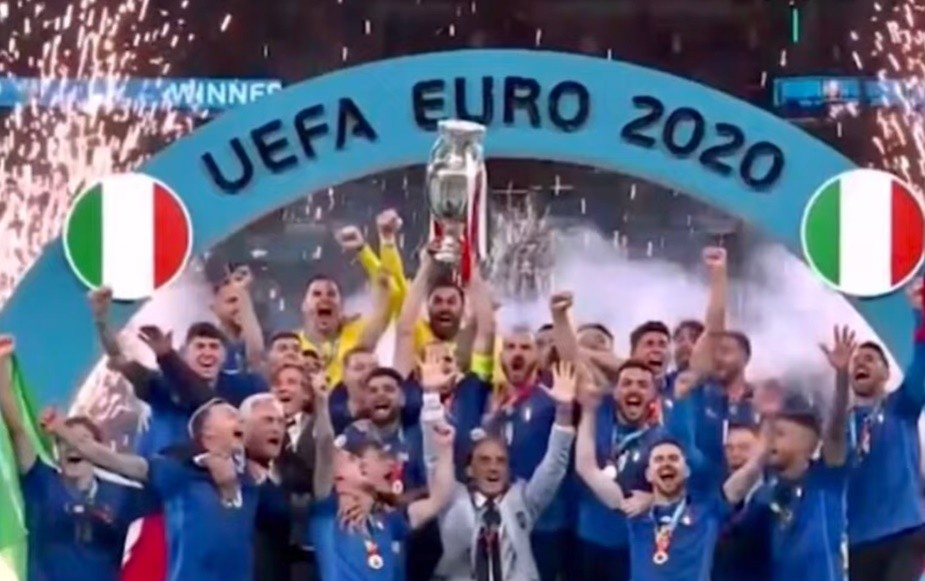
On the night and over the course of the tournament, though, Italy were deserving winners. Roberto Mancini took over the Azzurri towards the end of 2017 when they were reeling from the shock of failing to qualify for the following year’s World Cup and he set in motion a sequence of 34 games unbeaten, the latest of which was Sunday’s triumph at Wembley to claim the Henri Delaunay trophy for the first time since 1968 – coincidentally the same year in which Manchester City had last won the league prior to Mancini ending their barren streak in 2012. Italian football’s renaissance has been well and truly completed ahead of schedule.

Even allowing for the inclusion of 24 teams, it was the highest-scoring European Championship in terms of goals per game since the four-team finals of the 1960 and 1970s. Only two of the 51 matches ended goalless, while you could count on one hand the number of games which were genuinely hard to watch and still have fingers left over.

Off the back of the best World Cup in a generation or more, Euro 2020 continued in a similar vein, with the last two major tournaments both showcasing why it’s worth prevailing through the much-maligned international breaks during the club season. Very few teams were abhorrently defensive in the mould of Greece in 2004, with even the less fancied nations picking their moments to show some enterprise.

Another positive note was the largely satisfactory standard of officiating at the tournament. Raheem Sterling’s dive for England’s penalty in the semi-final was the only unfathomable decision taken during the tournament, with the vast majority of matches passing off without any great controversy. VAR by and large worked well during the finals, which again serves to underline that the concept is sound and that any problems arising from it are due to the incompetence of those charged with using it. Sadly, it seems inevitable that, in a few short weeks, we’ll be back to weekly carnage of its misuse in the Premier League.

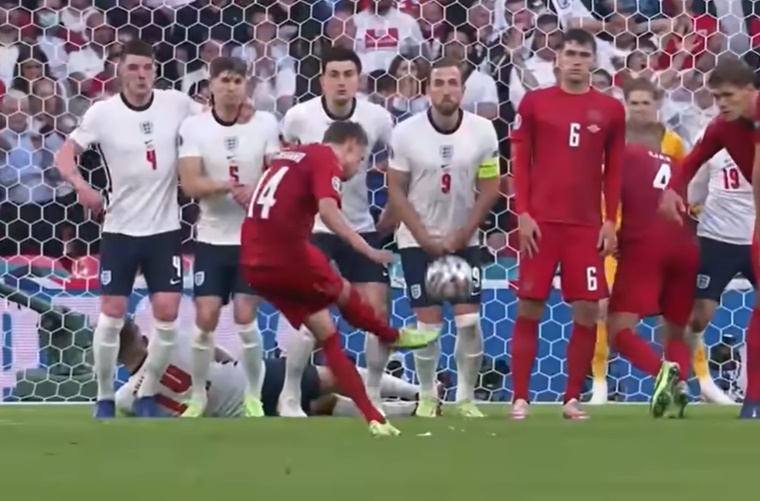
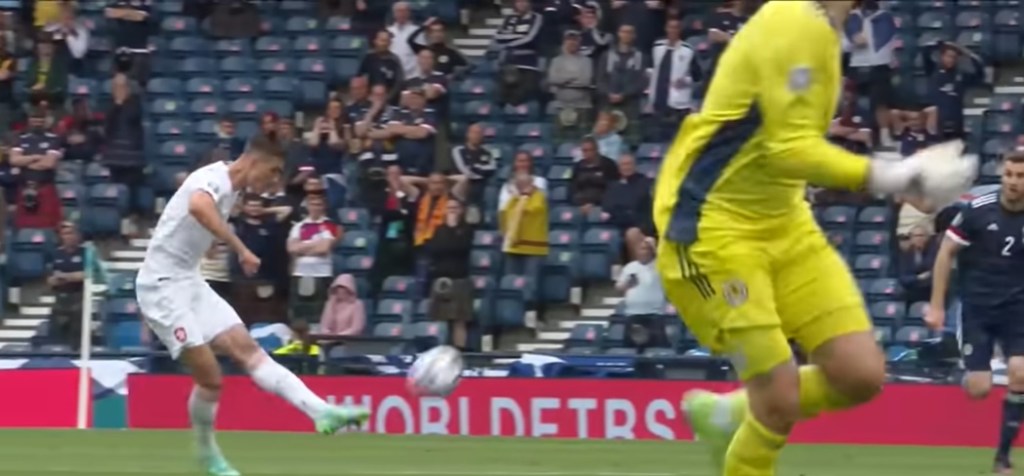
Aside from a plethora of thrilling matches, we were also treated to no shortage of spectacular goals. From Andriy Yarmolenko’s curler against the Dutch to Patrik Schick’s first-time lob of David Marshall from almost the halfway line; Andreas Christensen’s piledriver against Russia to Lorenzo Insigne’s stunning slalom finish against Belgium, trying to compile a top 10 goals of the tournament became a tough task. Suffice to say the likes of Unai Simon’s own goal against Croatia and Martin Dubravka literally handing Spain the opener in the 5-0 drubbing of Slovakia won’t make the cut.

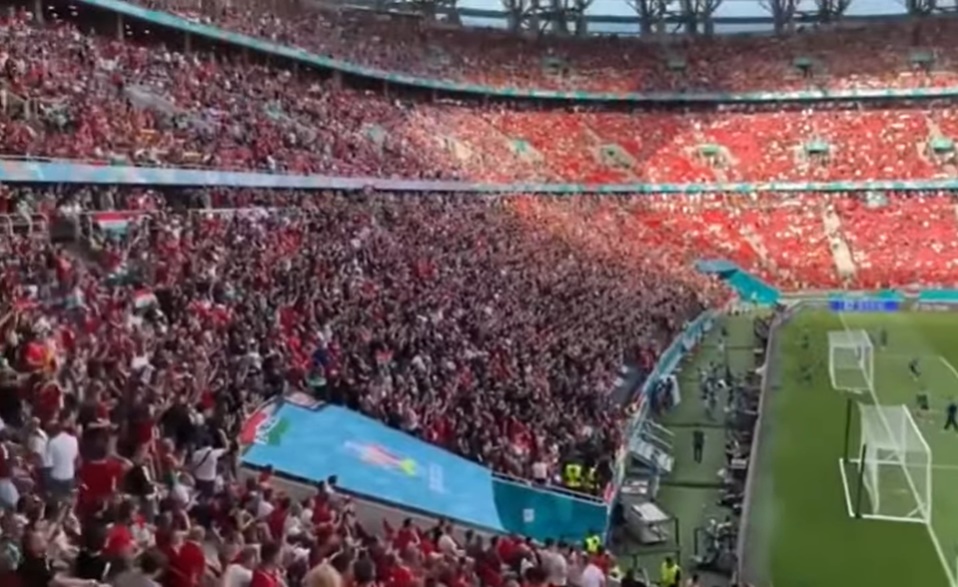
Don’t tell Tony Holohan, but it was a welcome sight to witness stadia bustling with atmosphere as supporters again graced some of the great arenas of European football (and Baku). The cheers, jeers and chants which cannot be replicated by push-button augmented crowd noise were sounds to savour, as was the backdrop of human beings decked out in full colour rather than oversized canvasses emblazoned with tournament sponsors. That said, I remain glad that Dublin was removed as one of the host venues given the continuing uncertainty over the pandemic in this country.

Sadly, the presence of fans in and around stadia wasn’t always a positive. Indeed, England’s genuine football supporters were shamefully let down by the loutish behaviour of an element of the population who caused disturbances throughout London on the day of the final. Then there were the thugs who gatecrashed Wembley despite not having tickets for the match, with numerous violent incidents in the ground, families left fearing for their safety and ticket holders with disabilities left discommoded by inconsiderate morons occupying the spaces which weren’t intended for them. Even after the match, the worst of human behaviour manifested itself in instances of online racism and abuse towards the England players whose only ‘crime’ was to not succeed with scoring a penalty. One can only wonder how the Internet bigots would fare had they been in the shoes of Rashford, Sancho or Saka.

It was a distressing way to round off what had been a largely excellent tournament, one which began under the dark cloud of Eriksen’s collapse in Copenhagen. That incident brought out the best in many players and supporters in displaying their own tributes to the Inter Milan playmaker, a comforting by-product of a scene that nobody wants to ever again witness.

When the fallout from the vicious scenes in London subsides, hopefully we will be able to look back upon Euro 2020 as a whole as a tournament which showcased a lot of what we want to see from football – fans at stadia, thrilling matches, plenty of goals, an absence of match-ruining decision from officials… and no talk of super-rich clubs devising ways in which to alienate themselves from the rest of the sport.

Top 10 goals

10: Mikkel Damsgaard (Denmark) v Russia

9: Robert Lewandowski (Poland) 1st goal v Sweden

8: Luka Modric (Croatia) v Scotland

7: Andreas Christensen (Denmark) v Russia

6: Lorenzo Insigne (Italy) v Belgium

5: Karim Benzema (France) 1st goal v Switzerland

4: Xherdan Shaqiri (Switzerland) 1st goal v Turkey

3: Paul Pogba (France) v Switzerland

2: Andriy Yarmolenko (Ukraine) v Netherlands

1: Patrik Schick (Czech Republic) v Scotland

Top 10 matches

10: Portugal 2-2 France

9: Sweden 3-2 Poland

8: France 1-0 Germany

7: Germany 2-2 Hungary

6: Belgium 1-2 Italy

5: Russia 1-4 Denmark

4: Netherlands 3-2 Ukraine

3: Portugal 2-4 Germany

2: Croatia 3-5 Spain (AET)

1: France 3-3 Switzerland (4-5 pens)

Worst 5 matches

5: Belgium 1-0 Portugal

4: Spain 0-0 Sweden

3: Belgium 3-0 Russia

2: Ukraine 0-1 Austria

1: Denmark 0-1 Finland – it could only be that one based on the horrendous Christian Eriksen incident

Team of the tournament (4-3-3)

GIANLUIGI DONNARUMMA (Italy): Still just 22, PSG’s new signing gave the authority of someone 10 years his senior as Italy’s last line of defence. Assured throughout the tournament and produced the goods in the semi-final and final penalty shoot-outs. Already looking like the reincarnation of Gianluigi Buffon.

JOAKIM MAEHLE (Denmark): The right-back chipped in with two goals and one assist at the finals and was a bundle of energy up and down the flank for the Danes. Also posted the second-best tackling average in his country’s squad at the finals.
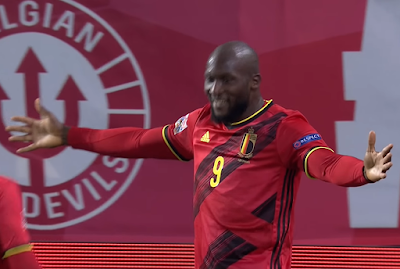
SIMON KJAER (Denmark): In purely footballing terms, the Denmark captain was a rock at the back for the semi-finalists, often averting danger in a no-nonsense manner. He also showed admirable leadership by consoling Christian Eriksen’s wife and his team-mates on that regrettable evening in Copenhagen.

LEONARDO BONUCCI (Italy): Uncompromising centre-backs have long been a staple of Italian football and the Juventus veteran was the epitome of that throughout the tournament. Alongside Giorgio Chiellini, he oozed assurance at the back and gave his more attacking team-mates the security of knowing that they had a trusty guard behind them.

LEONARDO SPINAZZOLA (Italy): Until his unfortunate tournament-ending injury against Belgium in the quarter-finals, the Roma left-back was playing splendidly for Roberto Mancini’s side. Defensively sound, he also offered an abundant attacking threat along his flank.

PAUL POGBA (France): An improved season for Manchester United preceded another strong tournament performance for France from Pogba. Provided so much energy from midfield and came up with a wonder goal against Switzerland. Could’ve been a strong Player of the Tournament contender had Les Bleus gone further than the last 16.

JORGINHO (Italy): Surprisingly fluffed his lines in the final penalty shoot-out but the Chelsea midfielder was one of the eventual champions’ best players overall, directing operations smoothly with his near-flawless passing while also doing the hard graft, averaging 1.9 tackles and 3.6 interceptions per game. Out-Kante’d his Stamford Bridge team-mate at Euro 2020.

EMIL FORSBERG (Sweden): The Swedes may have limply exited in the last 16 but they would have gone home in group stage disgrace had it not been for the RB Leipzig man’s four goals. Scored the winner against Slovakia and netted twice in the 3-2 thriller against Poland. Lifted an ordinary team from total mundanity.

CRISTIANO RONALDO (Portugal): The Golden Boot winner set the all-time record for the most goals at the European Championship, taking his tally to 14, along with equalling Ali Daei’s international record of 109 goals. Even at 36, he plays with the verve and influence of someone in the prime of their career. The one player who stood tall for the underwhelming 2016 champions.

PATRIK SCHICK (Czech Republic): Set the tone for his tournament with an audacious yet brilliantly crafted lob from almost 50 yards against Scotland. Joint-top scorer at the finals with five goals and the inspiration for his team being surprise quarter-finalists. He looks a completely different player from the one who bombed at Roma.

RAHEEM STERLING (England): His simulation in the semi-final was lamentable but the Manchester City winger otherwise had a magnificent tournament. Came into the Euros off the back of much criticism following a below-par club season, but made a massive contribution for Southgate’s men at the finals. He can be infuriating at times, but we saw the best of the 26-year-old over the past five weeks.

SUBS: Jordan Pickford (England), Yann Sommer (Switzerland), Denzel Dumfries (Netherlands), John Stones (England), Robin Gosens (Germany), Luke Shaw (England), Oleksandr Zinchenko (Ukraine), Manuel Locatelli (Italy), Pedri (Spain), Bukayo Saka (England), Jack Grealish (England), Federico Chiesa (Italy), Harry Kane (England), Karim Benzema (France), Romelu Lukaku (Belgium)

FLOPS XI: Anton Shunin (Russia), Nelson Semedo (Portugal), Andrei Semenyov (Russia), Caglar Soyuncu (Turkey), Umut Meras (Turkey), Grzegorz Krychowiak (Poland), Hakan Calhanoglu (Turkey), Roman Zobnin (Russia), Bruno Fernandes (Portugal), Kylian Mbappe (France), Thomas Muller (Germany)

TV watch

For a generation reared on seeing the late, great Bill O’Herlihy anchoring the analysis in the RTE studio, with John Giles and Eamon Dunphy providing the classic yin-and-yang double act, it still seems strange not to hear their voices during an international tournament. Still, those in the anchor’s chair acquitted themselves commendably, not least Jacqui Hurley, who was in the unenviable position of steering the discussion on the evening that Christian Eriksen collapsed.

Of the pundits, Damien Duff delivered plenty of humorous one-liner quips and illustrated a thorough tactical knowledge of numerous teams in the tournament. Richie Sadlier often brought the straight-talking punch, a trait which wasn’t lacking in Didi Hamann either. Liam Brady sometimes let himself down by showing less than rigorous knowledge of some teams and players on show and coming out with some bizarre arguments with the other members of the panel.

Euro 2020 also saw a notable increase in the presence of female commentators and analysts, and those commissioned to give their views quickly dispelled any accusations that they were merely there for tokenism. Karen Duggan, Stephanie Roche, Aine O’Gorman and in particular Lisa Fallon even went as far as to show up some of their male counterparts on BBC in the tactical analysis and insight stakes, and the same can be said for Emma Hayes on ITV.

Quotes of the tournament

“Let it go” – Richie Sadlier embraces his inner Elsa in chiding Liam Brady when he was talking about Declan Rice and Jack Grealish choosing to play for England over Ireland.

He’ll be telling the grandkids ‘that’s my scar from the Euros’” – Ronnie Whelan on Kiefer Moore’s head injury against Switzerland. The Wales striker is only 28, so we hope that grandkids are some bit away yet.

The city of Baku in the USSR” – Danny Murphy delivers what would have been an excellent geography lesson prior to Azerbaijan’s gaining of independence in 1991.

“The keeper could’ve thrown his cap on it if he was wearing a cap” – Liam Brady wasn’t impressed with Pierre-Emile Hojbjerg’s penalty against Finland.

“It’s a tight group. Spain, who you would normally win this group easily, are in disarray.” – Liam Brady chooses a weird time to bring Group E into it when previewing the Group C clash of Austria v North Macedonia.

“The Austrian fans are going to be celebrating on the streets of Budapest” – Siobhan Madigan expects an influx of Austrians to neighbouring Hungary after their win over North Macedonia.

“He seems to have failed his way there” – Richie Sadlier on Frank de Boer getting the Netherlands job.

“12,000 very, very lucky Scotland fans in here for today’s game but they, I’m quite assured, will make the noise of 1,000 Scotland fans” – Jim White predicts a not-so-raucous atmosphere at Hampden Park for the Scots’ clash against Czech Republic.

“It was the lack of a goalscorer and the lack of poor decision making” – Jim White on why Scotland then lost to the Czechs.

“He went to China for his payday” – Damien Duff isn’t remotely cynical about Marek Hamsik’s move to the Chinese Super League from Serie A.

The sound effects were impressive” – Stuart Byrne on Peter Pekarik’s roar when being challenged in the air against Poland.

That ref has obviously played tennis and never played football” – Damien Duff on Ovidiu Hategan’s decision to send off Grzegorz Krychowiak against Slovakia.

“Four of them ran out and turned their arse to it” – Kevin Doyle was unimpressed with Poland’s defending for Slovakia’s winning goal.

He’s always got that sad look on his face like he’s just gotten a bit of bad news, as if the dog had just eaten his favourite jumper or something” – Ger Canning on the melancholy Portugal coach Fernando Santos.

“Hostile atmosphere in Budapest, like throwing the Portuguese players to Wolves. Which is usually Jorge Mendes’ job” – The42’s Gavin Cooney comes out with an absolute zinger.

“You get the feeling they love defending, these central defenders for Finland, in the central area” – Danny Murphy on Finland central defenders, in case you missed that.

“It really is all or nothing, unless it’s a draw” – Steve Wilson hedges his bets ahead of Turkey v Wales.

“From Dublin it’s a mere 5,000km as the crow flies – some crow, says you – to the capital of Azerbaijan” – Peter Collins ahead of Turkey v Wales in Baku.

“It’ll make people sit and stand up” – Rio Ferdinand on Italy’s strong start to the tournament.

Get a bit of magic water in him and he’ll be alright” – Aine O’Gorman dispenses medical advise as Andriy Yarmolenko received treatment against North Macedonia.

“That’s not a lot of money nowadays” – Damien Duff on Yarmolenko’s weekly wage at West Ham, a miserly £100,000 per week.

“It’s not a course of action I’d advise for any footballer, particularly one playing for Millwall” – Richie Sadlier on his previous goading of fans when discussing Marko Arnautovic doing the same against North Macedonia.

“He’s an out and out bully” – Damien Duff on Lyndon Dykes elbowing Luke Shaw.

England 0 Lithuania with kilts 0” – Mark Goldbridge of The United Stand fame fumes after England’s draw with Scotland

And at 8, Spain against Seville” – Stephen Alkin seemed to forget that Poland were coming to Seville to play against Spain.

Didi Hamann must be doing a conga line around the studio at the moment” – Kenny Cunningham after Germany went 4-1 up against Portugal.

“He’s a bit of a madman” – Didi Hamann on Marko Arnautovic. Hard to argue.

He’s a holiday home there” – Damien Duff explains why Didi Hamann had been talking up Austria.

“You wouldn’t catch lads with hangovers on the Phoenix Park on a Sunday morning missing these passes” – Damien Duff delivers an unflattering verdict on Ukraine’s performance against Austria.

“Fine mouth of teeth, hasn’t he?” – Ger Canning on Yusuf Poulsen celebrating his goal against Russia.

“People say Busquets’ legs are gone. They’re not gone. He’s as slow now as he was at 18.” – Damien Duff on the veteran Spain midfielder.

“Dubravka hoping the ground will open up now and take that Slovakia team into it” – Des Curran after Juraj Kucka’s own goal put Spain 5-0 ahead v Slovakia.

“He still finishes with a plum” – Liam Brady struggling with ‘aplomb’ when discussing Kylian Mbappe.

“The group stages would normally put me to sleep” – Kevin Doyle is honest if nothing else!

“This isn’t a nursery school where you give everyone a badge for getting involved” – Richie Sadlier doesn’t like the idea of four third-placed teams getting out of the group stage.

It’s that man Kasper the friendly footballer who’s put Denmark ahead” – Jacqui Hurley ghosts in with this comment on Kasper Dolberg’s goal against Wales.

“At Blackburn, Graeme Souness used to tell us to find the dope in the opposition team. We have found a dope here.” – Damien Duff on Matthijs de Ligt getting sent off against Czech Republic.

“That guy’s an impostor! He’s an impostor! Your country needs you. He comes on – hit the target! £100m? If I was Ronaldo I’d be going after him in the dressing room. Shocking.” – This section wouldn’t be complete without a contribution from Roy Keane. Here he is showing his admiration for Portugal’s Joao Felix.

“His first touch was like the proverbial baby hippo there” – Kenny Cunningham on Croatia’s Ante Rebic losing possession.

“I don’t like the guy” – Damien Duff on Granit Xhaka. I suspect many Arsenal fans can resonate.

Renault, Peugeot, Gerard Depardieu, Rene from Allo Allo, your boys are out!” – Mark Goldbridge at the end of France v Switzerland.

“I’m starting to think I’m a bad omen for these teams, so England to win” – Damien Duff unsuccessfully tries to jinx Gareth Southgate’s men before their clash with Germany.

“Audi, Mercedes, Beethoven, Klinsmann, you’re out! You’re all out!” – Mark Goldbridge after Harry Kane’s goal wrapped up England’s win over Germany.

“Deserved win for England, introduction of Grealish swung it their way. Germany were f***ing useless.” – Gavin Cooney doesn’t mince his words after the last 16 clash at Wembley.

“It was the quickest I’ve ever seen him move” – Damien Duff on Didi Hamann’s reaction to Thomas Muller’s miss against England.

“I’ve got a headline for you: ‘England 2-0 Germany’. Close your laptops. Let’s go get f**ked.” – An England fan who approached Miguel Delaney in the press box after Kane’s aforementioned goal.

“He must have a periscope head, Dani Olmo” – Kenny Cunningham on the Spaniard picking out a clever pass against Switzerland.

“They’ve got Zinchenko, they’ve got…I can’t pronounce his name” – Liam Brady treats us to a masterclass in Ukrainian football knowledge prior to their clash against England.

“That’s an absolute delivery” – Jermaine Jenas on Luke Shaw’s free kick into Harry Maguire for the goal against Ukraine.

“Walker and Sancho will have a great understanding due to their time together at Manchester City, even in training” – Jenas might not realise the England duo had six weeks together at the Etihad Stadium.

“I don’t even want to think about it” – Stuart Byrne when George Hamilton ponders what the reaction in England must be to them thrashing Ukraine.

“We watched him in the first few games and he looked a bit legless” – Didi Hamann inadvertently suggests that Harry Kane was on the sauce in the group stage.

“Morata was describing what it was like. He said it was like being put in a cage with a gorilla and you’d to steal its food” – Richie Sadlier on Alvaro Morata coming up against Giorgio Chiellini.

He hasn’t got legs” – Liam Brady on Morata facing a discernible stumbling block for a professional footballer.

“I probably know them better than I know my wife” – The potentially divorced Damien Duff on his forensic analysis of Denmark throughout the tournament.

“He’s a bit hyper” – Liam Brady on Jordan Pickford. Some might apply other adjectives to the Everton and England goalkeeper.

I ended up arguing with the woman next to me – she kept singing the songs out loud, so I ended up in a bit of a trouble that night. But brilliant concert!” – Roy Keane on going to a Neil Diamond concert as ‘Sweet Caroline’ rang out around Wembley after England beat Denmark.

Euro 2020 dislikes

  • The likes of Russia and Poland again offering little, if indeed anything, at a major tournament
  • Turkey completely flopping and making a mockery of those who tipped them as pre-tournament dark horses
  • Spain’s impotent attack
  • The structure of the stadium in Baku which left even front-row fans feeling alienated from the on-field action
  • Goalkeeping howlers from the likes of Martin Dubravka, Unai Simon and Anton Shunin
  • Wales’ loss of discipline in their undignified exit to Denmark
  • The Dutch completely blowing it again upon getting out of their group
  • The scrappy last 16 clash between Belgium and Portugal, two teams who ought to have produced a far more enjoyable match
  • Germany again being flat, save for that outlying virtuoso display against Portugal
  • Ukraine barely raising any modicum of a fight against England
  • Raheem Sterling’s dive against Denmark and the failure of the VAR officials to intervene despite several replay viewings
  • Boris Johnson parading around in an England shirt trying to hop on the bandwagon, in spite of his foolhardy running of the UK throughout the pandemic
  • The loutish scenes in and around Wembley on the night of the final
  • The online abuse of the England players who missed penalties in the final
  • Most of all, the distressing scenes in Copenhagen as Christian Eriksen fought for his life in full view of a global TV audience – we all owe an unrepayable debt of gratitude to the medics who acted so quickly and effectively to ensure that the Denmark player would pull through this frightening episode.

Euro 2020 likes

  • The remote-controlled car delivering the ball to the centre circle ahead of the opening match, the semi-finals and the final
  • The unity of the Finland and Denmark fans in the Parken Stadion chanting Christian Eriksen’s name to demonstrate their support for him on that dark Saturday evening
  • Andriy Yarmolenko’s screamer against the Dutch
  • Patrik Schick’s audacious lob against Scotland
  • Hungary proving to be no pushovers in Group F against the last three winners of major tournaments involving European teams
  • Portugal 2-4 Germany
  • Denmark’s heroic performance in seeing off Russia and getting out of the group despite losing their first two games
  • The dramatic final night in Group F as every goal altered the qualification picture
  • The format allowing for no shortage of drama in the final round of group matches as we tried to decipher which third-placed teams would advance
  • Manic Monday and those two all-time classics between Croatia and Spain, plus France and Switzerland
  • Paul Pogba’s exquisite goal and ensuing celebration against Switzerland
  • Italy’s electric performance against Belgium in the quarter-finals
  • The by-and-large excellent standard of refereeing at the tournament, a welcome break from the weekly error-fest in the Premier League
  • The conduct of Gareth Southgate and his England players during the finals, with those involved in the squad representing their nation in the best possible manner
  • Italy climbing back to the top after the wreckage of the 2018 World Cup debacle, and doing so by playing some superb football along the way
  • The sight of fans back at stadia in general, aside from what happened on the day of the final
  • Just the two goalless draws, both in the group stage

UEFA Euro 2020 preview: Better late than never as unique format takes hold

We’ve been made to wait, but finally the 16th European Championship is only days away! Anticipation for the tournament has increased given its postponement last year as the coronavirus pandemic took hold across Europe, and while the virus is still a clear and present danger, we are thankfully in a far better place now to combat it compared to last spring, when the decision was taken to put Euro 2020 on the backburner.

The tournament retains its original name despite the one-year delay, but one victim of the pandemic has been Dublin. The Aviva Stadium in our capital city was due to be one of the 12 host cities across the continent to host matches at the finals, but the government’s inability to guarantee UEFA that the venue could take spectators led to it being crossed off the list. It is of course disappointing that Ireland won’t stage any matches, but with continuing uncertainty over the pandemic, it may be for the best that athletes (and potentially fans) from other countries where COVID-19 is a bigger problem than here won’t be coming into the country.

No football festival in Dublin, then, but 11 other cities across Europe will play host to a tournament with a unique format which is one enduring legacy of Michel Platini’s controversial reign as UEFA president. It was his idea to spread the competition throughout the continent, with host cities as disparate as Bilbao (now replaced by Seville), St Peterburg and Baku. The spreading of the tournament across such a vast land mass has naturally drawn opposition, yet logistically it isn’t hugely different from the World Cups which took place in enormous countries such as Russia, Brazil and USA in previous years.

In terms of the action on the pitch, France will be aiming to repeat their feat of 21 years ago by adding the European title to their world crown, while group rivals Portugal seek to emulate Spain in 2012 by retaining the trophy. For Belgium, this could be a golden generation’s best, and last, chance to enjoy tangible success to accompany their number one world ranking, while England travel to the finals buoyed by a splendid 2018 World Cup and an abundance of talent.

Welcome back, too, to Italy and Netherlands, with the high-profile duo both missing out on the last World Cup, while huge credit to Finland and North Macedonia on making it to a major tournament for the first time.

You’ve been made to wait 12 months but at last Euro 2020 is here! Here is the Togher Perspective on all 24 finalists hoping to be the lucky team celebrating at Wembley on 11 July.

GROUP A

ITALY

The darkest hour often comes before the dawn, and after the unprecedented pitch-blackness of November 2017 when they failed to make it to the World Cup, fresh rays of sunlight are again being cast over the Italian national team.

Roberto Mancini has wasted little time in restoring the Azzurri’s reputation since the debacle of four years ago, currently on a 25-match unbeaten streak which included a national record 11 straight victories, a 100% record in qualification and a defensive solidity which saw them concede just four goals en route to Euro 2020. That was largely down to the wily central defensive partnership of Leonardo Bonucci and Giorgio Chiellini, with 22-year-old goalkeeper Gianluigi Donnarumma already staking a claim to rival Gianluigi Buffon in the longevity stakes. Their front three of Fedrico Chiesa, Ciro Immobile and Lorenzo Insigne can be devastating if they all click, yet they can all flatter to deceive in Italy colours.

Few will have Italy down as potential winners, while the likelihood is that they will eventually be undone by a team with greater individual quality. However, Mancini has instilled a tremendous team spirit in this Azzurri side, whose renaissance could continue nicely with a strong showing at the finals, not least with home advantage for all three of their group games.

Probable XI: Donnarumma – Florenzi, Bonucci, Chiellini (c), Spinazzola – Barella, Jorginho, Verratti – Chiesa, Immobile, Insigne

Euros history: Their only triumph came way back in 1968, while they have lost two finals this century. Surprisingly, had only been in the finals three times prior to 1996.

Verdict: Should come through the group with ease and may benefit from a relatively kind draw to reach another quarter-final. Anything more would be a tremendous finish for the Azzurri.

SWITZERLAND

Switzerland maintained their impressive record of qualifying consistently for major tournaments, missing only one in their last nine attempts. Alas, their last three Euros or World Cup appearances have all ended in the last 16. Indeed, the Swiss have not won a knockout match at a major finals since 1938.

Vladimir Petkovic’s side enter Euro 2020 with a settled line-up, featuring a plethora of players between the peak footballing period of ages 24 to 29. A strong three-man defence, marshalled in a holding midfield role by the inspirational if sometimes ill-tempered Granit Xhaka, makes the Nati a solid unit. They have a talented attacking trio in Breel Embolo, Haris Seferovic and Xherdan Shaqiri, but the latter two can blow frustratingly hot and cold. The excitement could come from roving wing-backs Nico Elvedi and Steven Zuber, both of whom have impressed in the Bundesliga.

Switzerland are likely to be involved in a three-way battle with Turkey and Wales to finish second behind Italy in Group A. They’ll probably do enough to get out of the group as per usual, but the all too familiar tale of a last 16 exit could then lie in wait.

Probable XI: Sommer – Schar, Akanji, Rodriguez – Elvedi, Freuler, Xhaka (c), Zuber – Shaqiri – Embolo, Seferovic

Euros history: Made it out of the group stage for the first time in 2016 at their fourth attempt. Been to every finals except one since 2004.

Verdict: Yep, you guessed it, elimination in the last 16. It’s as inevitable as night following day.

TURKEY

Perhaps no team has benefitted more from the postponement of Euro 2020 than Turkey, who this time last year had several key players sidelined through injury. The question now is whether they can take advantage of their good fortune.

The evidence from qualifying suggests that they certainly can. Senol Gunes’ side conceded only three goals on their way to the tournament, their defence superbly marshalled by Leicester’s Caglar Soyuncu and Juventus’ Merih Demiral. Even more impressively, they took four points off world champions France in the qualifiers and also pummeled Netherlands in the 2022 World Cup qualifiers a few weeks ago. They also have a strong front four, with Lille duo Burak Yilmaz and Yusuf Yazici riding the crest of a wave following their team’s shock Ligue 1 triumph. AC Milan playmaker Hakan Calhanoglu also poses a threat from open play and set pieces.

Gunes led Turkey to the finest footballing hour, third at the 2002 World Cup, and while nobody is expecting a similar showing this time around, the Crescent Stars could be the surprise name in the latter stages of the tournament, with a bang in-form group of players throughout the pitch.

Probable XI: Cakir – Celik, Soyuncu, Demiral, Meras – Yokuslu, Tufan – Yazici, Calhanoglu, Under – Yilmaz

Euros history: Reached the semi-finals in 2008 and the quarters eight years previously. Their other two appearances ended in group stage exits.

Verdict: If Turkey can clinch second in the group, the draw opens up the distinct possibility of reaching the quarter-finals.
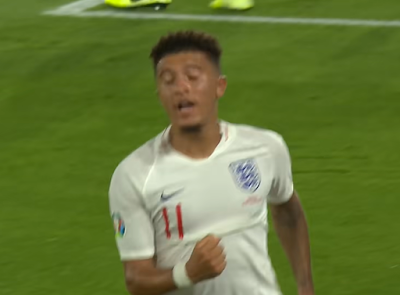
WALES

Portugal may have won Euro 2016 but Wales were arguably the tournament’s biggest success story, making it all the way to the semi-finals in their first major finals in 58 years and eliminating Belgium while they were at it.

Several stalwarts remain from that wonderful summer in France, most notably talismanic captain Gareth Bale, along with the midfield pairing of Joe Allen and Aaron Ramsey. They are joined by younger talents such as Ethan Ampadu, Joe Rodon and Daniel James, who have emerged in the qualifiers and the two Nations League campaigns to become key components of this Wales side. However, their preparation for the finals has been disrupted by manager Ryan Giggs’ court proceedings relating to charges of assault. He will not be involved at the tournament, with his assistant Rob Page instead overseeing proceedings.

The Welsh should have a good go at making it out of the group but, in terms of overall quality, they may just be pipped by Turkey and Switzerland for the middle two positions in what looks like a wide open Group A.

Probable XI: Hennessey – C Roberts, Mepham, Ampadu, Rodon, B Davies – Allen, Ramsey – Bale (c), Moore, James

Euros history: Didn’t reach the finals until 2016 but made it all the way to the last four in France before succumbing to eventual winners Portugal.

Verdict: Page’s men could be the unlucky team to come last in what seems a hard-to-call three-way battle for second behind Italy.

GROUP B

BELGIUM

They are the number one ranked international team in the world and have been touted as contenders for several major tournaments, but there is a sense of ‘now or never’ for Belgium at Euro 2020.

Roberto Martinez was the unlikely man who took them to third place at the 2018 World Cup and he remains in charge of arguably the most talented group of players in the international game. The defensive nous of Toby Alderweireld and Jan Vertonghen, the mesmerising creativity of Kevin De Bruyne and Eden Hazard, topped off by the consistently ruthless finishing of Romelu Lukaku, all combine to make Les Diables Rouges a formidable outfit. The tournament’s delay also ensured that Hazard would not miss the finals through injury, even if he isn’t quite the scintillating force of nature that we saw at Chelsea.

Belgium will breeze through the group with maximum points and should get to the quarter-finals before facing a serious test. They came a cropper at that stage five years ago; a repeat collapse would be seen as failure. They need to be making the semis at the very least; from there, it’s a matter of whether this glittering array of players can hold their nerve and deliver the tangible success which they have promised for so long.

Probable XI: Courtois – Alderweireld, Denayer, Vertonghen – Meunier, De Bruyne, Tielemans, T Hazard – Mertens, Lukaku, E Hazard (c)

Euros history: Five previous tournaments, their best finish being runners-up in 1980. Their other semi-final appearance came in 1972.

Verdict: Getting to the semi-finals is a minimum requirement. France may edge them once they make it that far.

DENMARK

Any preview of Denmark at a European Championship will invariably be built around their miraculous triumph in 1992. However, unlike Greece in 2004, they have shown at many other tournaments that they can be a handful for the best of the continent’s bunch.

At 29, Christian Eriksen is just about still at his peak, and the Danes rely hugely on his creativity and scoring prowess to make the rest of the team tick, given their lack of a genuinely potent centre-forward. Defensively they are sound, with Kasper Schmeichel maintaining the family tradition of top-class goalkeeping, Simon Kjaer an uncompromising centre-back warrior and the twin midfield pillars of Thomas Delaney and Pierre-Emile Hojbjerg nullifying the opposition.

Having made it to the last 16 at the World Cup three years ago, Kasper Hjulmand’s team should be capable of doing likewise at Euro 2020. A quarter-final appearance is not out of the question, given that they’ll likely face Group A’s runners-up.

Probable XI: Schmeichel (c) – Wass, Kjaer, Christensen, Maehle – Delaney, Eriksen, Hojbjerg – Poulsen, Dolberg, Braithwaite

Euros history: Reached six successive tournaments between 1984 and 2004, emerging as shock champions in 1992. They have made it to the semi-finals on two other occasions.

Verdict: Should get out of the group and might have an outside shot at the quarters, but I think they’ll fall in the last 16.

FINLAND

It has been a long 19 months, but Finland supporters can finally embrace witnessing their team at a major tournament for the first time after their historic qualification for the finals back in November 2019.

Markku Kanerva took over a Finland team at a very low ebb back in 2016 but slowly revived their fortunes and, after a harrowing near-miss at making it to Euro 2008, the Huuhkajat (eagle-owls) finally have a ticket to the glitzy showcase. Of course, their team itself is far from glitzy, propelled by a no-nonsense target man in Norwich’s Teemu Pukki and two industrious midfielders in Glen Kamara and captain Tim Sparv. The likelihood of a five-man defence hints at how they will play, but they can conjure goals out of nothing, as Ireland found out to the cost in the UEFA Nations League last year when super-sub extraordinaire Fredrik Jensen was sprung from the bench.

The Finns won’t be the most enthralling team to watch at Euro 2020 but they are not here by accident, finishing second in their qualifying group behind Italy. A third-place finish in Group B, and the possibility of a place in the knockout rounds, is not out of the question, and that would represent a tremendous showing on their major tournament debut.

Probable XI: Hradecky – Alho, Toivio, Arajuuri, O’Shaughnessy, Uronen – Kamara, Sparv (c), Taylor – Lod, Pukki

Euros history: This is Finland’s first time at this level, having not even been ranked in the world’s top 100 at the time of Euro 2016.

Verdict: Could sneak through to the last 16 as one of the four best third-placed finishers. That in itself would be a fine return.

RUSSIA

Russia fell back in love with football when they hosted the World Cup in 2018, defying pre-tournament expectations to come within a penalty shoot-out of making the semi-finals. Alas, the feel-good factor from that memorable summer has long since dissipated.
Since then, the fortunes of Stanislav Cherchesov’s team have been dogged by controversy, with star striker Artem Dzyuba axed for a period as punishment for a foolish video posted on social media. Long-serving goalkeeper Igor Akinfeev, a hero of 2018, has also retired from the national team, while attacking talents such as Aleksei Miranchuk and Aleksandr Golovin have regressed at club level. While Russia seem strongest with a 4-2-3-1, one-time goalkeeper Cherchesov has been known to go for a five-man defence, which we may well see against Belgium’s attacking riches.

Russia tend to have one glorious tournament run amid sequences of three or four utter flops on the big stage. Even though they bolted from nowhere to have a splendid World Cup three years ago, it feels that they have gone some way backwards since then. It could be another Euros to forget for a Russian side who completely bombed in 2016 and blew what looked a nailed-on quarter-final four years before that.

Probable XI: Shunin – Fernandes, Dzhikiya, Kudryashov, Karavayev – Zobnin, Ozdoyev – Miranchuk, Golovin, Kuzyaev – Dzyuba (c)

Euros history: Reached the final four times as USSR, winning the first tournament in 1960. As Russia, this is their fifth Euros in a row and sixth in total, but a semi-final finish in 2008 is an outlier to their group stage exits on every other occasion.

Verdict: As in 2016 (and many other tournaments), it’s the first plane home for Russia.

GROUP C

AUSTRIA

Austrian expectations are being kept in check this time around, having freewheeled their way to Euro 2016 in imperious fashion only to flounder dismally at the finals in France.

The Nationalteam didn’t qualify with as much conviction this time around, which may be no harm given what happened five years ago, while they are in one of the kinder groups at the tournament. They also have some talented individuals to call upon, such as RB Leipzig schemer Marcel Sabitzer, Bayern Munich serial winner David Alaba and the epitome of the word enigma in Marko Arnautovic. However, Alaba aside, theirs is a team which relies on players who can paint masterpieces but are equally likely to leave a sorry mess behind them if they’re not at it.

I’ve learned from 2016 not to trust Austria. Even in a group containing North Macedonia and Ukraine, I can’t see Franco Foda’s side making much of an impression. Remember, they lost to Iceland and Hungary at the last Euros.

Probable XI: A Schlager – Lainer, Hinteregger, Dragovic, Alaba – Baumgartlinger (c), Ilsanker – Sabitzer, X Schlager, Baumgartner – Kalajdzic

Euros history: Their two previous appearances in 2008 and 2016 both ended in group stage elimination, the former as co-hosts and the latter as pre-tournament dark horses.

Verdict: I backed them to reach the semis in 2016. I don’t even see them winning a game this time around. Bottom of the group.

NETHERLANDS

The last time Netherlands were at a major tournament, Louis van Gaal led them to third place at the World Cup in Brazil as he prepared to take over the Manchester United job following the hapless reign of David Moyes. Remember what you were doing in the summer of 2014?

The Oranje are finally back on the big stage with almost an entirely new team from seven years ago, aside from a handful of experienced figures such as captain Georginio Wijnaldum, Tim Krul and Daley Blind. Memphis Depay was a breakout star at the 2014 World Cup; he is now in the prime of his career and has restored his reputation following an abortive spell at Old Trafford under Van Gaal. They also have one of Europe’s most promising defenders to call upon in 21-year-old Matthijs de Ligt, but the absence of defensive rock Virgil van Dijk is sure to be as sorely felt as the cruciate ligament injury which has sidelined him since October.

Frank de Boer only has to get the Dutch out of the group to equal his haul of matches as Crystal Palace manager in this tournament alone. He still has his doubters in the Netherlands, but their progress to the UEFA Nations League final two years ago showed that this team is on the right path and could restore a proud footballing nation’s good name this summer with a prolonged run at the Euros.

Probable XI: Stekelenburg – Dumfries, de Vrij, de Ligt, Blind – F de Jong, Klaassen, Wijnaldum (c) – Berghuis, Depay, Malen

Euros history: Won the tournament in 1988 and made it to four other semi-finals. Failure to reach France 2016 was their first time missing out in 32 years.

Verdict: The group stage should be a canter. They are on the comparatively kind side of the draw, too, so the semi-finals are a realistic target.

NORTH MACEDONIA

UEFA’s decision to grant one of Europe’s less noteworthy names a place at the finals via the Nations League met with plenty of criticism, but you won’t find one person in North Macedonia who is opposed to the idea. They took full advantage of the format to qualify from the low-key Path D in the play-offs, beating Kosovo and Georgia to qualify for their first major finals since seceding from the former Yugoslavia in the 1990s.

Their hero in the historic win over Georgia was Goran Pandev, the grand old master at 37 and a Champions League winner with Inter Milan 11 years ago. He is an iconic presence in Macedonian football and will be looked towards for inspiration as Igor Angelovski’s men dive into the unknown this month. At the other end of the age scale, 21-year-old Napoli midfielder Eljif Elmas could be a breakthrough gem at the finals, while English football fans will recognise the name of Leeds’ Ezgjan Alioski at left-back. However, they were dealt a blow with the cruciate ligament injury to centre-forward Ilija Nestorovski, who would’ve been a certain starter had he been fit.

North Macedonia can embark on their Euro 2020 adventure unburdened by expectation. Their fans will be happy to go along for the ride, but the team will have their sights set on proving that their appearance at the finals is not mere tokenism and that they can at least compete with some of Europe’s big names. It would be foolish to write them off totally.

Probable XI: Dimitrievski – Ristovski, Velkovski, Musliu, Alioski – Nikolov, Ademi – Elmas, Pandev (c), Bardhi – Trajkovski

Euros history: Competing for the first time as an independent nation, having formed part of Yugoslavia prior to the 1990s.

Verdict: They’ll probably exit after the group stage, but don’t dismiss them as complete pushovers.

UKRAINE

From captain and talisman at Euro 2012 to assistant coach four years later, the legendary Andriy Shevchenko is back in a third different role in as many tournaments with Ukraine, this time as the main man calling the shots for his country.

The one-time Ballon D’Or winner has a strong blend of experienced campaigners, some of whom have played alongside him, and a smattering of precocious talents from Ukraine’s Under-20 World Cup-winning team of two years ago. The experience is provided by midfield anchor Taras Stepanenko and West Ham winger Andriy Yarmolenko, while the youngsters to look out for are winger Viktor Tsygankov, left-back Vitaliy Mykolenko and teenage defender Ilya Zabarnyi. Manchester City’s Oleksandr Zinchenko, a left-back for his club, typically plays in midfield for his national team, who thrashed Serbia 5-0 and beat European champions Portugal on their way to the finals.

Shevchenko has Ukraine playing some fine football and this is arguably the easiest group at the finals, so they should certainly be capable of reaching the knockout rounds. They’ll probably meet Italy in the last 16, and while they won’t fear the Azzurri, that might be where they fall to gallant defeat.

Probable XI: Bushchan – Karavaev, Zabarnyi, Matviyenko, Mykolenko – Malinovskyi, Stepanenko (c), Zinchenko – Yarmolenko, Yaremchuk, Tsygankov

Euros history: This is their third successive finals, the previous two ending in group stage exits. Won their first match in 2012 but have lost every other finals game.

Verdict: Should benefit from a kind group draw to reach the last 16. They could trouble Italy but the quarter-finals may be beyond them.

GROUP D

CROATIA

Croatia’s preparations for the tournament have not gone smoothly, having pulled out of their planned Scottish training base due to COVID fears and been held to a draw by Armenia in a warm-up friendly in recent days.

The 2018 World Cup runners-up have undergone a transition since that tournament, with stalwarts Danijel Subasic, Mario Mandzukic and Ivan Rakitic all stepping aside from the national team. Midfield schemer Luka Modric is still around, although this will surely be the 35-year-old’s international swansong. The Real Madrid veteran is surrounded by other experienced heads in Ivan Perisic and Marcelo Brozovic, with former Everton flop Nikola Vlasic now the nation’s brightest young hope. They boast two highly-rated defenders in Marseille powerhouse Duje Caleta-Car and Rangers left-back Borna Barisic, one of the most lethal attack-minded talents in his position anywhere in Europe.

Croatia looked hugely impressive in the group stage at their last two major tournaments and it would be no surprise if they were to top the pool again here. Unfortunately for them, they will probably face one of the continent’s heavyweights in the last 16, which is where they fell at the last Euros and could well do so again this summer.

Probable XI: Livakovic – Vrsaljko, Lovren, Caleta-Car, Barisic – Modric (c), Brozovic – Perisic, Vlasic, Rebic – Petkovic

Euros history: Only in 2000 have Croatia failed to qualify as an independent nation. Twice quarter-finalists, in 1996 and 2008.

Verdict: Good enough to top the group, but that comes with the booby prize of probably facing France or Portugal in the last 16. Luck isn’t on their side.

CZECH REPUBLIC

They may have been to only one World Cup from six attempts in their current guise, but this is the Czech Republic’s seventh successive European Championship appearance, a record that not even Belgium, Netherlands or England can match.

Unlike in the late 1990s and 2000s when they were one of Europe’s best teams, though, Jaroslav Silhavy’s current crop are a more mundane outfit who rely heavily on competitive spirit and upsetting the odds. That’s not to say their team is a complete pushover, though – the West Ham duo of Vladimir Coufal and Tomas Soucek excelled in last season’s Premier League, while young midfielder Alex Kral is admiring attractive glances from several major clubs. They also have a few players from the Slavia Prague side who surprisingly reached the Europa League quarter-finals, including Ondrej Kolar, Lukas Masopust, Jan Boril and Tomas Holes. Teenage striker Adam Hlozek could also be a breakthrough name at the finals, even if he isn’t a guaranteed starter.

The Czechs won’t lack for energy or endeavour, while they beat England in qualifying, but match-changing talent is at a premium in this squad. They will do well to get out of the group.

Probable XI: Vaclik – Coufal, Kalas, Celustka, Boril – Soucek, Kral – Masopust, Darida (c), Jankto – Schick

Euros history: Won the finals as part of Czechoslovakia in 1976 and, following the country’s split, the Czechs were runners-up 20 years later. Also made it to the semi-finals in 2004, when they emerged as tournament favourites.

Verdict: The Czechs will be game but the other teams in the group have more talent. Another group stage exit beckons.

ENGLAND

England made the most of unusually low expectations to reach the semi-finals at the 2018 World Cup, a sunny summer which had a nation dreaming. However, the pressure is much higher this time around given the enormous talent at Gareth Southgate’s disposal.

The selection of four right-backs dominated the squad announcement until Trent Alexander-Arnold’s unfortunate injury, yet their riches at the centre of defence are nowhere near as abundant. Where the manager could have a selection headache, though, is in attack. Harry Kane is a shoo-in, while Mason Mount should also be a near-certain starter given his form in recent months, but after that it’s a choice of two from Phil Foden, Raheem Sterling, Marcus Rashford, Jack Grealish and Jadon Sancho. Even the likes of Jude Bellingham and Bukayo Saka are unlikely to start, such is the wealth of options from which Southgate can choose. On form, Grealish should 100% start over Sterling, but the Three Lions boss tends to be loyal to players who have served him well in the past.

This England side has the ability to blow teams away and should have little difficulty in getting out of the group. Talk of them as potential winners needs to be kept in check, however, given that they’re on the harder side of the draw, while for all their quality they still seem suspect in positions such as goalkeeper, centre-back and central midfield. Euro 2020 may be a tournament too soon for this exciting English crop.

Probable XI: Pickford, Walker, Stones, Maguire, Chilwell – Rice, Phillips – Foden, Mount, Sterling – Kane (c)

Euros history: Only been semi-finalists twice, and not since 1996. Qualified for every tournament bar one since 1988.

Verdict: Talent-wise they are good enough to be serious contenders, but they will probably face France or Portugal in or before the quarter-finals. That may be as far as they get.

SCOTLAND

Scotland had to watch on with envy as England, Wales and both Irish teams all qualified for Euro 2016 (and made it out of the groups), but now they get to dine at the top table for the first time since the 1998 World Cup following penalty shoot-out triumphs over Israel and Serbia in the play-offs.

Steve Clarke is already something of a national hero for getting the Scots back to a major tournament, having narrowly missed out on all three European Championships in the 2000s. The former Chelsea and Liverpool coach has found a way to fit two of the continent’s best left-backs in Andrew Robertson and Kieran Tierney into his system, while he has also taken the intriguing step of deploying Scott McTominay in a central defensive three. Scotland’s pool has been weakened, however, by injuries to Ryan Jack and Kenny McLean, while the likely selection of Lyndon Dykes at centre-forward shows their limitations in that role.

The Tartan Army will enjoy whatever games they attend, but having cruelly missed out on the Euro ’96 quarter-finals on goals scored, a similar fate could befall them again even if they finish third in this group. Then again, their penalty prowess in the play-offs may be a sign that, when the margins are tight, this Scotland team finally come out on the right side.

Probable XI: Marshall – McTominay, Gallagher, Tierney – O’Donnell, McGinn, McGregor, Robertson (c) – Forrest, Dykes, Christie

Euros history: Their two previous finals appearances, in 1992 and 1996, both ended in group stage elimination.

Verdict: In a typical case of Scottish misfortune, they’ll come third in the group but be one of the two teams in that position to miss out on the last 16.

GROUP E

POLAND

Poland were an unlikely success story at Euro 2016, making it all the way to the quarter-finals and taking eventual winners Portugal to penalties. However, a dreadful showing at the 2018 World Cup knocked them back, while Jerzy Brzeczek, who guided them to this summer’s tournament, was removed from his post in January.

Former Leicester boss Paulo Sousa was hastily installed in his place and has had precious little time with his players to put his methods into practice. That shouldn’t be a problem for a certain Robert Lewandowski, who even at 32 shows no signs of slowing down in front of goal.  However, their firepower is blunted by injuries to Arkadiusz Milik and Krzysztof Piatek which have ruled them out of the finals. Also, the rest of the team is rather workmanlike, so Sousa will be heavily dependent on his forwards to fire in a testing group.

Poland’s results in recent months have been up and down, and the same can probably be expected of them at Euro 2020. It could be touch and go whether they do enough to get to the last 16; I certainly can’t see them getting any further than that.

Probable XI: Szczesny – Bereszynski, Glik, Bednarek, Rybus – Jozwiak, Krychowiak, Klich, Zielinski – Swiderski, Lewandowski (c)

Euros history: Didn’t qualify until 2008 but played in every finals since then. Quarter-finalists last time around after a pair of group stage exits previously.

Verdict: May have to settle for third in the group but could do enough to get to the knockout stage. Quarter-finals may be too far for them, though.

SLOVAKIA

Slovakia’s presence at Euro 2020 will stick in the craw for football fans from this island, having done for our hopes in the play-off semi-finals on penalties and then eliminated Northern Ireland with a late goal in extra time in Belfast to book their passage.

They certainly didn’t look anything special in those two games and Group E doesn’t look overly accommodating for Stefan Tarkovic’s side. There are some familiar names in the line-up, not least inspirational skipper Marek Hamsik, along with fellow veteran Juraj Kucka in midfield and the much sought-after Milan Skriniar at centre-back. A probable 4-1-4-1 setup indicates that they are likely to keep things tight and look to frustrate their opponents rather than attacking at will, perhaps unsurprising given that they appear to be the weakest team in this group.

Slovakia made it to the last 16 on both of their previous tournament appearances but, experienced campaigners aside, their squad looks short on true quality and, while neither Ireland team could profit on that, their group rivals appear better placed to do so.

Probable XI: Rodak – Pekarik, Satka, Skriniar, Hancko – Lobotka – Duda, Kucka, Hamsik (c), Mak – Duris

Euros history: Formed one half of the victorious Czechoslovakia side of 1976. Slovakia’s sole Euros appearance since the split saw them reach the second round five years ago.

Verdict: The draw isn’t kind and they don’t seem to have enough about them to avoid the wooden spoon.

SPAIN

Spain have regressed since their golden age of 10-12 years ago, and they remain a difficult team to assess with an enormous degree of confidence. Since the autumn, they have walloped Germany 6-0 while also failing to beat a very limited Greece side at home. 

Luis Enrique sprang arguably the biggest shock of any squad selection last month when he omitted the imperious Sergio Ramos, and all of his Spanish Real Madrid team-mates, from his roster for the finals. The veteran’s place at centre-back has a surprise new candidate to fill it, though, in recently-nationalised Manchester City ace Aymeric Laporte, while the likes of Thiago Alcantara and Koke in midfield should provide plenty of chances for a gifted front three of Ferran Torres, Alvaro Morata and Dani Olmo. Whether that trio will be sharp enough against low-block defences to make their opportunities count is the burning question about La Roja in 2021, while positive COVID tests this week for Sergio Busquets and Diego Llorente have hampered preparations.

Don’t be surprised to see Spain administering a thrashing or two at the finals, only to then be left frustrated by well-organised opponents they would ordinarily be expected to beat convincingly. They haven’t even been to a tournament quarter-final since their Euro 2012 triumph; ending that sequence this summer would be a job well done by Enrique’s men.

Probable XI: Simon – Azpilicueta, Laporte, P Torres, Gaya – Thiago, Rodri, Koke (c) – F Torres, Morata, Olmo

Euros history: Joint-record three-time winners, including back-to-back triumphs in 2008 and 2012. Were also runners-up in 1984.

Verdict: Anything less than the quarter-finals would be another letdown. Anything beyond that would be regarded as a significant step forward.

SWEDEN

Zlatan Ibrahimovic’s second international comeback to faciliate a fifth European Championship appearance was curtailed by a lengthy injury which means that, for the first time in 21 years, Sweden go to the Euros without the uber-maverick.

His mercurial presence will be missed by Janne Andersson and co, but don’t forget that they managed quite alright without Ibra at the last World Cup, reaching the quarter-finals. They also have a bright young attacking gem in Alexander Isak who is doing his utmost to prove a worthy successor to the 39-year-old icon. Another young talent to watch is Juventus winger Dejan Kulusevski, while RB Lepizig schemer Emil Forsberg is likely to occupy the other flank, and they have a sturdy backline featuring Manchester United’s Victor Lindelof and Rangers’ Filip Helander. 

Sweden are usually reliable enough not to be disgraced at tournament level but, even with Ibrahimovic in tow, they never managed to go deep into a major competition. That looks set to be their lot again at Euro 2020 – good enough to beat weak sides and compete with the main contenders, but ultimately being outclassed by the real big boys of Europe.

Probable XI: Olsen – Lustig, Lindelof, Helander, Augustinsson – Kulusevski, Ekdal, K Olsson, Forsberg – Isak, Berg (c)

Euros history: Debuted as hosts in 1992, when they reached the last four, they have qualified consistently since 2000 but fell at the group stage in their last three appearances.

Verdict: Sweden should get out of the group at the Euros this time around, but mightn’t have enough without Ibrahimovic to make the last eight.

GROUP F

FRANCE

France followed up their first World Cup triumph by winning the subsequent European Championship in 2000. As world champions again, their mission is very simple – to pull off the global and continental double once more in the same order.

Didier Deschamps has been criticised for being an overly pragmatic coach but he has an almost obscene wealth of talent at his disposal. It almost seems like a cheat code to have Kylian Mbappe, Olivier Giroud and Antoine Griezmann in the same attack, while N’Golo Kante’s Champions League final display gave the impression of any team with him in it having a couple of extra players. Paul Pogba, often frustrating for Manchester United, usually delivers his best football in the colours of Les Bleus, while they have a solid defence also. The one question mark may be over goalkeeper Hugo Lloris, whose form at Tottenham since the World Cup has been unconvincing.

When the likes of Karim Benzema, Thomas Lemar, Jules Kounde, Ousmane Dembele and Kingsley Coman can’t be assured of making the starting XI, that says a lot about how strong a squad France will bring to the tournament. They also have some serial winners in this squad, and Deschamps – who captained France to their historic 1998 and 2000 triumphs – could well repeat the feat as a manager.

Probable XI: Lloris (c) – Pavard, Varane, Kimpembe, Hernandez – Kante, Pogba, Rabiot – Mbappe, Giroud, Griezmann

Euros history: Twice winners, in 1984 and 2000. Les Bleus were also runners-up in 2016 and losing semi-finalists on two other occasions.

Verdict: They’ll get to another final and exact revenge for their 2016 heartbreak to Portugal, emulating the legends of the late 90s and early 2000s.

GERMANY

For so long the definition of reliability at major tournaments, Germany have been a pale shadow of their former selves over the last three years. Following on from their shock group stage exit at the last World Cup, Joachim Low’s side went down to two of the most humiliating defeats in their history over the last eight months.

A 6-0 trouncing by Spain in November was followed four months later by a home defeat to North Macedonia, results which threaten to tarnish Low’s legacy as he brings the curtain down on 15 years in charge of the Nationalmannschaft. It seems astonishing that a team with the talents of Timo Werner, Thomas Muller, Leroy Sane, Ilkay Gundogan and Toni Kroos – not to mention Antonio Rudiger in the form of his life – would be so heavily doubted going into Euro 2020, but German football hasn’t been at this low an ebb since their humiliation at the finals in 2000. 

Being paired with the world and European champions in France and Portugal hasn’t exactly helped, either, and it has been a long time since Germany went into a major competition with such low expectations. They will hope that might inspire them to prove the doubters wrong and restore their good name on the big stage, but recent results and a dastardly draw suggest otherwise.

Probable XI: Neuer (c) – Kimmich, Hummels, Rudiger, Gosens – Goretzka, Kroos, Gundogan – Werner, Muller, Sane

Euros history: Been at every finals since 1972 and won the trophy three times, but not since 1996. They have also been runners-up thrice, most recently in 2008.

Verdict: Don’t rule out a group stage exit given their fiendish draw, but they might eke into the last 16. Can’t see them going much further, though.

HUNGARY

If you’re Hungarian, your view of the Group F draw will depend on your disposition. Optimists will see it as a free swing whereby the Magyars can topple some giants; pessimists will fear multiple annihilations in the archetypal ‘group of death’.

As if the task for Marco Rossi’s team wasn’t hard enough since the draw was made, their hand was significantly weakened in recent days by the forced pullout of great white hope Dominik Szoboszlai due to injury, the hero of their play-off triumph over Iceland forced to watch from afar. There are several players remaining from their impressive Euro 2016 showing, including striker Adam Szalai and midfield duo Laszlo Kleinheisler and Adam Nagy. Alas, in the absence of Szoboszlai, they will need to be greater than the sum of their parts if they are to make any impact this summer.

Hungary surprisingly topped their group five years ago but this foursome is a lot harder than what they had in France. The likelihood is that they will go home early; their best hope may be to get a result which could take one of Europe’s biggest names down with them.

Probable XI: Gulacsi – Lang, Orban, At. Szalai – Nego, Kleinheisler, Nagy, Siger, Holender – Adam Szalai, Sallai

Euros history: Semi-finalists in 1964 and 1972 but have only qualified once since then, when they fell at the second round in 2016.

Verdict: They’ll hope to be competitive but the other teams in the group have a greater dollop of match-winning quality. They’ll go home early.

PORTUGAL

Portugal weren’t exactly exponents of the Beautiful Game when they triumphed at Euro 2016, but in following that up by winning the inaugural UEFA Nations League three years later, Fernando Santos’ side proved that they have maintained a champions’ mindset.

Indeed, there’s a fair case to be made for them having a stronger squad now than the one which took home the glory five years ago. Cristiano Ronaldo, set to appear at his fifth European Championship, is the obvious standout name but he is ably supplemented by Premier League duo Bernardo Silva and Diogo Jota, along with the gifted Bruno Fernandes in midfield. Atletico Madrid starlet Joao Felix could also explode at this tournament if he is given a chance in their glittering attack, while a defence featuring Ruben Dias and the evergreeen Pepe is quite strong also.

It would be a crime if the often-pragmatic Santos didn’t let this exciting Portugal team off the leash at Euro 2020, as they have the raw materials to give a prolonged crack at following in Spain’s footsteps and retaining their European title. The big question is whether they may need to get the better of world champions France not once but twice at the finals.

Probable XI: Patricio – Cancelo, Pepe, Dias, Guerreiro – D Pereira, Fernandes, Palhinha – B Silva, Ronaldo (c), Jota

Euros history: Have never failed at the group stage in seven previous appearances. Won it for the first time five years ago, atoning for losing the final on home soil in 2004. Beaten semi-finalists three times.

Verdict: The holders could go all the way to the final again, although this time I reckon France will avenge the Boot of Eder from five years ago.

PREDICTIONS

Group A: 1st Italy, 2nd Turkey, 3rd Switzerland, 4th Wales

Group B: 1st Belgium, 2nd Denmark, 3rd Finland, 4th Russia

Group C: 1st Netherlands, 2nd Ukraine, 3rd North Macedonia, 4th Austria

Group D: 1st Croatia, 2nd England, 3rd Scotland, 4th Czech Republic

Group E: 1st Spain, 2nd Sweden, 3rd Poland, 4th Slovakia

Group F: 1st France, 2nd Portugal, 3rd Germany, 4th Hungary

Last 16: Turkey v Denmark, Italy v Ukraine, Netherlands v Germany, Belgium v Poland, England v Sweden, France v Switzerland, Croatia v Portugal, Spain v Finland

Quarter-finals: England v France, Italy v Belgium, Netherlands v Turkey, Spain v Portugal

Semi-finals: France v Belgium, Portugal v Netherlands

Final: France to beat Portugal

PROSPECTS

Genuine contenders: France, Portugal, Belgium

Could go far: England, Netherlands, Italy, Spain

Surprise hits: Turkey, Finland, Ukraine

Middle of the road: Switzerland, Denmark, Croatia, Sweden, Poland

Big name flops: Germany, Russia

Honourable group exit: Wales, North Macedonia, Scotland, Czech Republic

No hopers: Slovakia, Austria, Hungary

TOP SCORER TIPS

Given the attacking talent at either team’s disposal, as well as the likelihood of them going the distance at the finals, there could be several genuine contenders from France and Portugal. Kylian Mbappe, 2016 Golden Boot winner Antoine GriezmannOlivier Giroud, the evergreen Cristiano Ronaldo and Diogo Jota all seem like worthy shouts to carry off the top scorer prize this year.

Premier League Golden Boot winner Harry Kane could also be a contender depending on how far England progress, likewise Robert Lewandowski with Poland, while the likes of Alvaro MorataFerran TorresCiro Immobile and Burak Yilmaz could represent decent outside bets.

The man I’m tipping to be top scorer, though, comes from Belgium and his name is Romelu Lukaku. Martinez’s side should score abundantly at the tournament and no man is more prolific for Les Diables Rouges than the Inter Milan powerhouse. Even if his team doesn’t lift the trophy, Lukaku may at least have an individual honour to take away from the finals.